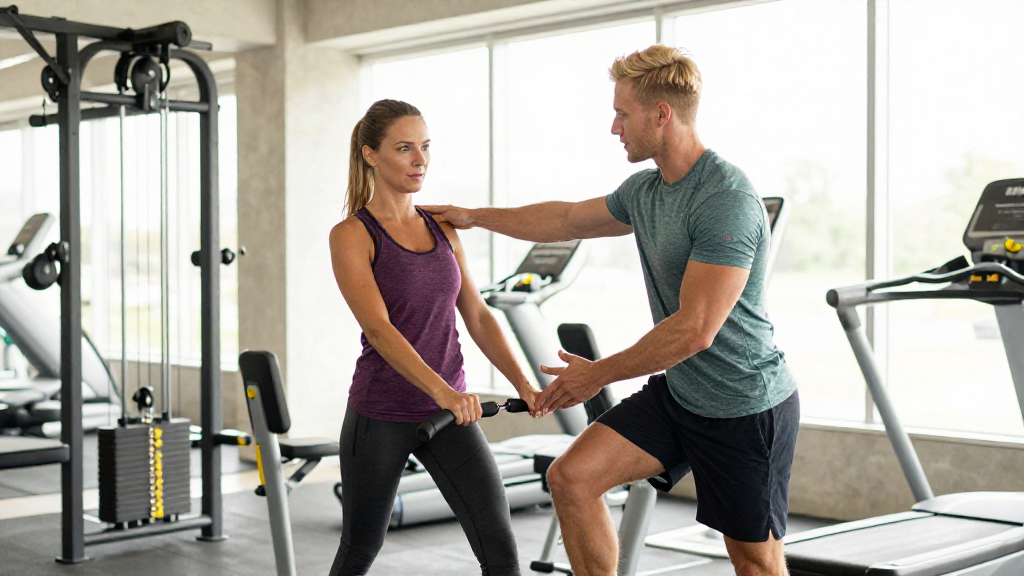
When you’re looking to enhance your fitness regime, knowing about various personal training template examples can be a game-changer.
What Are Personal Training Templates?
Personal training templates are structured plans that help trainers and clients map out workouts, goals, and overall fitness strategies.
These templates can be tailored to suit individual needs, making them vital tools in the fitness industry.
Why Use Personal Training Templates?
Using structured templates provides:
- Consistency: Helps trainers maintain a standardized approach.
- Progress Tracking: Makes it easy to monitor client advancement.
- Customization: Trainers can modify templates according to individual client needs.
- Time Efficiency: Saves time when preparing for sessions.
What Types of Personal Training Template Examples Exist?
There are numerous personal training template examples available, each catering to different fitness goals. Below are some key types:
1. Workout Plan Templates
These templates outline specific exercises, sets, and repetitions.
Key Components:
- Exercise name.
- Sets and reps.
- Duration.
- Specific notes (e.g., rest periods).
2. Client Assessment Templates
These templates are essential for gathering initial data about clients.
Key Components:
- Personal information: Age, weight, goals.
- Health history: Any injuries or medical conditions.
- Fitness level: Initial fitness test scores.
3. Nutrition Plans
Nutrition templates help in planning dietary habits alongside workout experiences.
Key Components:
- Daily caloric intake.
- Macronutrient breakdown.
- Meal timing suggestions.
4. Progress Tracking Templates
Progress tracking is crucial for monitoring clients’ achievements.
Key Components:
- Weight progress charts.
- Exercise performance logs.
- Body measurements.
5. Customized Program Templates
These templates are built based on individual client goals, skill levels, and schedules.
Key Components:
- Personalized goals.
- Tailored exercise routines.
- Calendar integration for tracking sessions.
Where Can You Find Personal Training Template Examples?
1. Online Fitness Platforms
Websites like Trainerize and TrueCoach offer templates that trainers can customize.
2. Fitness Books and Journals
Many publications provide various personal training template examples that can be adapted.
3. Fitness Communities and Forums
Platforms such as Reddit or specialized Facebook groups often share templates crafted by fitness professionals.
4. Health and Fitness Blogs
Many bloggers focus on fitness and personal training, offering free downloadable templates.
How Can You Create Your Own Personal Training Template?
Creating an effective personal training template is simpler than you might think. Follow these steps:
1. Identify Your Goals
What are your main fitness goals? Ensure these goals guide the template creation process.
2. Choose the Right Format
Consider how you or your clients prefer to track information. Options include:
- Digital formats (apps, spreadsheets).
- Printable formats (PDFs, Word documents).
3. Select Key Components
Choose which elements are essential for your clients. This could include workouts, assessments, or nutrition.
4. Design for Usability
Make templates user-friendly by ensuring they are easy to understand and fill out.
5. Test and Adjust
Test the template with a real client and make adjustments based on their feedback.
What Should Be Included in a Personal Training Template?
Creating an effective personal training template requires attention to detail. Here’s what you should always include:
- Introduction: Brief overview of fitness goals.
- Workout Summary: Overview of exercises planned.
- Weekly Breakdown: Clear daily schedules with flexibility options.
- Client Feedback Section: Space for clients to leave notes on their experiences.
What Are Examples of Effective Personal Training Templates?
In this section, we will explore practical examples you can consider implementing.
Example 1: Beginner’s Workout Plan Template
| Day | Exercise | Sets/Reps | Notes |
|---|---|---|---|
| Monday | Squats | 3 sets of 12 | Rest for 60 seconds |
| Wednesday | Push-ups | 4 sets of 10 | Adjust angle if needed |
| Friday | Lunges | 3 sets of 15 | Keep back straight |
Example 2: Client Assessment Template
| Client Name | Age | Weight | Fitness Goal |
|---|---|---|---|
| Jane Doe | 28 | 150 lbs | Lose weight and tone up |
Example 3: Weekly Nutrition Plan
| Day | Breakfast | Lunch | Dinner |
|---|---|---|---|
| Monday | Oatmeal with fruits | Grilled chicken | Salmon with veggies |
How Can You Optimize Your Personal Training Templates for Client Engagement?
Engaging clients is vital for a successful training relationship. To enhance your templates:
1. Visuals Matter
Include visuals to attract attention and make information digestible. Use charts or images where necessary.
2. Interactive Elements
Consider interactive online templates where clients can fill out their information and receive instant feedback.
3. Regular Updates
Ensure templates are frequently updated with new exercises, nutritional guidelines, and trends in fitness.
4. Feedback Mechanism
Incorporate client feedback sections for constant improvement and relationship building.
Conclusion: The Importance of Personal Training Template Examples
Understanding and utilizing personal training template examples can elevate the quality of service you provide as a trainer.
These templates streamline the process of creating customized fitness plans, saving time and enhancing client results.
From workout plans to nutrition templates, the right tools pave the way for success.
Investing time into learning about various personal training template examples can make all the difference—from attracting new clients to keeping existing ones happy.
Take the first step today by exploring, creating, or refining your personal training templates to maximize your impact in the fitness world.