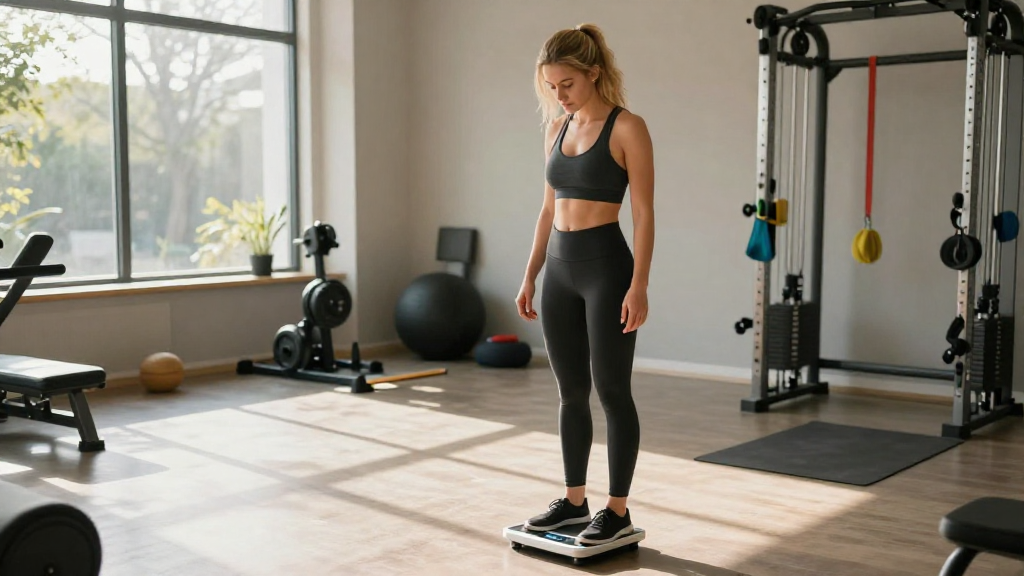
When it comes to determining personal training success metrics, it’s essential to focus on measurable outcomes that reflect progress, commitment, and overall effectiveness.
What Are Personal Training Success Metrics?
Personal training success metrics refer to the quantifiable measures used to evaluate the effectiveness of a personal trainer and the client’s progress over time.
By utilizing these metrics, both trainers and clients can easily assess what is working and what might need adjustment.
Why Are Personal Training Success Metrics Important?
Metrics play an integral role in understanding the effectiveness of your training regimen. Here’s why they matter:
- Goal Assessment: Tracking metrics helps you see how close you are to achieving your fitness goals, whether it’s weight loss, muscle gain, or improved endurance.
- Client Engagement: Clients are more likely to stay motivated when they can see tangible results and milestones achieved.
- Trainer Accountability: Metrics ensure trainers are held accountable for their methodologies and effectiveness.
- Customization: Metrics enable personalized training programs based on client progress.
By focusing on personal training success metrics, you can create a more structured and effective training program.
Which Metrics Should You Track?
The choice of metrics can vary depending on individual goals and training philosophies. Here are some key personal training success metrics to consider:
1. What Is Your Body Composition?
Tracking body composition provides invaluable insights into how your body is changing over time.
- Fat Mass vs. Lean Mass: Understand how much of your body weight is fat versus muscle.
- Body Fat Percentage: Measure progress in weight loss or muscle gain.
Using tools like skinfold calipers or bioelectrical impedance scales can help you gather this data.
2. How Much Have You Improved in Strength?
Measuring strength improves motivation and can lead to better results.
- One-Rep Max (1RM): Evaluate how much weight you can lift for one repetition.
- Progressive Overload: Track improvements in the weights and reps over time to gauge strength advancements.
Note down personal records and celebrate those achievements!
3. Are You Enhancing Your Endurance?
Endurance metrics help assess cardiovascular fitness, which is vital for overall health.
- VO2 Max: Indicates the maximum amount of oxygen your body can utilize during exercise.
- Timed Tests: Track how quickly you can complete predetermined distances, such as running a 5k.
Consistency in endurance metrics showcases improvement in cardio fitness.
4. What About Flexibility and Mobility?
Don’t overlook the importance of flexibility and mobility in your training program.
- Range of Motion Tests: Measure how far you can stretch or move your joints.
- Functional Movements: Assess your ease in performing basic activities like squatting, lunging, or reaching.
Improved flexibility can significantly enhance performance in other workouts.
5. How Are Your Habits and Compliance Improving?
Success in personal training is also related to behavioral changes and consistency in healthy habits.
- Nutrition Tracking: Measure dietary habits and adherence to a prescribed nutrition plan.
- Training Frequency: Log how many workouts you complete each week versus what was planned.
Behavior metrics may not be as visible as fitness gains, but they offer an undeniable indicator of overall commitment.
How Can You Collect and Analyze Data?
Tracking personal training success metrics requires diligence and systematic approaches. Here are some effective methods:
- Digital Logging: Use apps like MyFitnessPal or Strava to log workouts, meals, and progress photos.
- Wearable Devices: Utilize fitness trackers to monitor physical activity, heart rate, and sleep patterns.
- Regular Check-Ins: Schedule weekly or monthly evaluations with your trainer to review and discuss metrics.
Visual representations like graphs or charts can make it easier to interpret your progress.
When Should You Reassess Your Metrics?
Reassessing your personal training success metrics is crucial for continued improvement.
- Every 4-6 Weeks: This timeline allows for meaningful changes to manifest.
- After Significant Life Changes: If you experience changes like injury, stress, or shifts in goals, it’s time to reassess.
- At Planned Intervals: Schedule regular check-ins to keep metrics aligned with your evolving goals.
What If You’re Not Seeing Progress?
If your personal training success metrics aren’t showing the expected results, here are some troubleshooting suggestions:
- Reevaluate Your Goals: Ensure they are specific, measurable, achievable, relevant, and time-bound (SMART).
- Check Technique and Form: Sometimes progress stalls due to improper techniques that limit effectiveness.
- Consult Your Trainer: Open a dialogue with your trainer about modifying your program for optimum benefits.
Conclusion: Are You Ready to Measure Your Success?
Understanding and implementing personal training success metrics can be transformative, not just for achieving short-term goals, but for maintaining long-term fitness and health.
Remember that tracking metrics is not just about numbers; it’s about nurturing a mindset focused on growth and improvement.
By regularly assessing body composition, strength, endurance, flexibility, and habits, you can create a well-rounded approach to fitness.
So, are you ready to take control of your fitness journey? Embrace the metrics, celebrate the achievements, and keep striving for personal excellence!