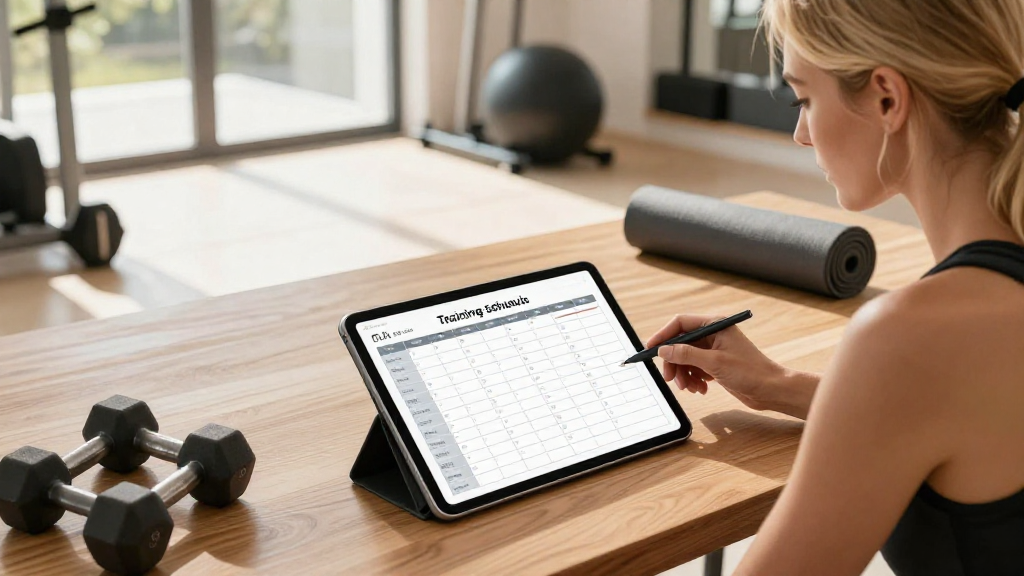
Creating a personal training schedule layout is essential for individuals looking to maximize their fitness goals.
Whether you are a seasoned athlete or just beginning your fitness journey, an effective schedule can guide your routine and help keep you accountable.
What is a Personal Training Schedule Layout?
A personal training schedule layout outlines the specific exercises, days, and durations you will dedicate to your fitness routine.
By visually organizing your training, you can:
- Identify the best times for workouts
- Ensure balanced training across various muscle groups
- Track your progress over time
This structured approach helps you stay motivated while providing a clear path to achieving your fitness objectives.
How Do You Determine Your Fitness Goals?
Before crafting your personal training schedule layout, it’s crucial to define your fitness goals.
Are you looking to build strength, lose weight, improve endurance, or enhance flexibility?
Your objectives will dictate the types of exercises and training methods you include in your schedule.
Here are some common fitness goals to consider:
- Weight Loss: Incorporate cardio and strength training to burn calories.
- Muscle Gain: Focus on resistance training with progressive overload.
- Endurance Improvement: Include longer cardio sessions and interval training.
- Flexibility and Mobility: Add yoga or stretching routines.
By setting clear goals, you can align your personal training schedule layout with your desired outcomes.
What Elements Should Be Included in Your Schedule?
An effective personal training schedule layout incorporates several key elements.
These elements ensure a comprehensive approach to fitness while allowing for adaptability as you progress.
Some crucial components include:
-
Workout Days: Decide how many days per week you can realistically commit to training.
-
Workout Duration: Plan how long each session will be. Aim for a blend of short, intense workouts and longer, less intense sessions.
-
Exercise Type: Include different types of workouts:
– Cardio: Running, cycling, swimming.
– Strength Training: Weightlifting, bodyweight exercises.
– Flexibility Training: Yoga, Pilates. -
Rest Days: Don’t overlook the importance of recovery. Schedule rest days to allow your body to heal and grow stronger.
-
Progress Tracking: Create a way to measure your advancements, whether through journal entries, fitness apps, or spreadsheets.
Example Schedule Layout
Here’s a sample layout that you can adapt to fit your needs:
| Day | Workout Type | Duration | Notes |
|---|---|---|---|
| Monday | Strength Training | 45 min | Focus on upper body |
| Tuesday | Cardio (HIIT) | 30 min | Incorporate sprints |
| Wednesday | Rest Day | N/A | Active recovery (light walk) |
| Thursday | Strength Training | 45 min | Focus on lower body |
| Friday | Flexibility/Yoga | 30 min | Emphasize on stretching |
| Saturday | Cardio (Steady Pace) | 60 min | Long run or cycling |
| Sunday | Rest Day | N/A | Self-care and meal prep |
How Should You Modify Your Schedule?
Flexibility is a key aspect of a personal training schedule layout.
Life can be unpredictable, and sometimes, you may need to adjust your routine.
Here are some tips on how to modify your schedule effectively:
-
Listen to Your Body: If you are feeling fatigued, consider taking an additional rest day or swapping workout days.
-
Adapt to Progress: As you get fitter, you may need to increase the intensity or duration of your workouts. Adjust your schedule accordingly to keep challenging yourself.
-
Incorporate New Activities: If you become bored with your routine, try new classes or activities. This can refresh your motivation and challenge your body in different ways.
What Tools Can Help You Plan Your Schedule?
Creating and maintaining an effective personal training schedule layout can benefit from various tools and resources.
Here are some to consider:
-
Fitness Apps: Utilize apps like MyFitnessPal, Fitbit, or Strava to track workouts and nutrition simultaneously.
-
Calendars: Whether digital or physical, a calendar can help visualize and prioritize workouts. Google Calendar allows for reminders and sharing with a workout partner.
-
Notebooks or Journals: Keep a fitness journal to record your workouts, progress, and how each session felt. Reflecting on this can help maintain your motivation.
-
Online Templates: Look for downloadable templates or checklists online to help streamline your scheduling process.
How Do You Stay Motivated with Your Schedule?
Maintaining motivation is critical for sticking to your personal training schedule layout. Here are some strategies to keep your spirits high:
-
Set Mini-Goals: Break down larger fitness goals into smaller, achievable objectives. Celebrate each accomplishment to boost your motivation.
-
Find a Workout Buddy: Having a friend join you can make workouts more enjoyable and hold you accountable.
-
Reward Yourself: Treat yourself to non-food rewards (like new workout gear or a massage) when you reach certain milestones.
-
Visualize Your Goals: Create a vision board or keep reminders of your fitness inspirations close to your training area.
Conclusion
Creating an effective personal training schedule layout is a powerful tool for reaching your fitness aspirations.
By defining your goals, including essential elements, and remaining adaptable, you can establish a routine that promotes consistency and progress.
Remember to utilize various tools to stay organized and motivated on your journey to incredible health and wellness.
With dedication and the right plan in place, you’ll be well on your way to achieving your fitness dreams.