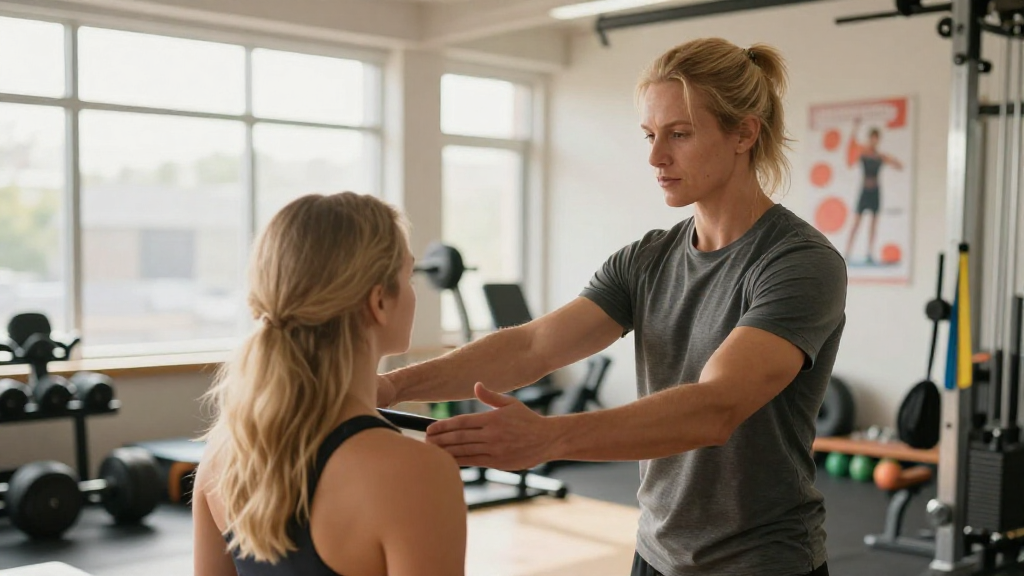
When it comes to achieving your fitness goals, understanding personal training safety tips is crucial. Proper safety protocols help prevent injuries and ensure that your workouts are effective and enjoyable. Whether you’re a fitness novice or an experienced athlete, prioritizing safety in your training routine is essential for long-term success.
Why Are Personal Training Safety Tips Important?
Personal training safety tips are essential for several reasons:
-
Injury Prevention: The most critical aspect of any workout is to minimize the risk of injury. This is especially important when you are exercising with weights or high-impact movements.
-
Maximized Results: Following safety practices allows you to engage in workouts consistently and reach your fitness goals efficiently.
-
Motivation and Confidence: Knowing that you are training in a safe environment increases your motivation and builds confidence in your abilities.
-
Better Technique: Personal training safety tips encourage correct form and technique, which is fundamental for effective workouts.
By adhering to safety recommendations, you can create a productive and safe environment for your fitness journey.
What Are Some Basic Personal Training Safety Tips?
To maintain a safe training environment, consider these essential personal training safety tips:
1. Warm-Up Properly
Never underestimate the importance of warming up before workouts.
A proper warm-up increases blood flow to your muscles and improves flexibility.
Here’s how you can warm up effectively:
- Dynamic Stretches: Incorporate movements like arm circles and leg swings.
- Low-Intensity Cardio: Spend 5-10 minutes on light jogging, cycling, or jumping jacks.
2. Use the Right Equipment
Using the appropriate equipment is vital for assessing your fitness level and preventing injuries.
Here are some points to remember:
- Fit and Supportive Footwear: Make sure that your shoes provide ample support for your exercise type.
- Weight Selection: Start with lighter weights and gradually increase as you build strength.
3. Learn Proper Techniques
Proper form is one of the most vital personal training safety tips you can learn.
To avoid injury:
- Work with Professionals: Consider hiring a certified personal trainer who can provide guidance.
- Video Tutorials: Utilize reliable fitness apps or YouTube channels to learn proper exercise techniques.
4. Stay Hydrated
Hydration plays a significant role in maintaining your performance and safety during workouts.
Remember these hydration guidelines:
- Drink Water: Aim to hydrate before, during, and after exercise.
- Monitor Your Body’s Signals: If you feel thirsty, tired, or dizzy, take a break to hydrate.
5. Listen to Your Body
Understanding your body’s signals is vital for your safety.
Always pay attention to how you feel during your workouts:
- Stop if in Pain: If you feel any sharp pain or discomfort, pause your workout.
- Give Yourself Time: Rest and allow your body to recover after intense workouts.
How Can You Ensure a Safe Workout Environment?
Creating a safe workout space is crucial for implementing personal training safety tips.
Here’s how you can enhance your environment:
1. Clear the Workout Area
A cluttered area poses a risk of accidents.
Ensure the space is free from:
- Extra weights
- Equipment lying around
- Obstacles that may cause tripping
2. Use Appropriate Lighting
Good lighting is essential for preventing accidents and ensuring that you can see your form.
Make sure that your workout area has bright, unobstructed light so you can:
- Clearly see your surroundings
- Monitor your posture and form during exercises
3. Ensure Equipment Safety
Always check that your equipment is in good condition:
- Inspect Machines: Look for any wear and tear.
- Secure Weights: Make sure weights are safely stored, avoiding any risk of falling.
4. Follow a Workout Plan
Having a structured workout routine can enhance both effectiveness and safety.
Consider these points:
- Set Clear Goals: Define what you want to achieve in your workouts.
- Track Your Progress: Keep a log of exercises, weights, and recovery days.
5. Know Emergency Procedures
In any workout environment, knowing how to respond to emergencies is crucial.
Be prepared to:
- Contact local emergency services if needed
- Provide first-aid assistance until help arrives
What Should You Do After Your Workout?
Post-workout safety is just as important as warm-up and workout routines.
Follow these guidelines for recovery:
1. Cool Down Properly
Cooling down can help lower your heart rate and prevent stiffness.
Consider incorporating:
- Static Stretches: Focus on major muscle groups.
- Gentle Breathing Exercises: Helps in relaxation.
2. Refuel Your Body
After a workout, your body needs nutrients to recover:
- Carbohydrates: Provide energy replenishment.
- Protein: Aids in muscle repair.
3. Regularly Reassess Your Routine
What worked in the past may not be best for your current fitness level:
- Reassess Your Goals: Adjust them as you achieve milestones.
- Consult with Professionals Regularly: Check in with a personal trainer to ensure you are utilizing effective and safe techniques.
Conclusion: How Can You Make Personal Training Safety a Priority?
In conclusion, prioritizing personal training safety tips is essential for effective workouts and overall well-being.
By incorporating these practical tips into your fitness regimen, you’ll not only reduce the risk of injury but also maximize your results, stay motivated, and enjoy your journey to better health.
Always remember that safe training is smart training.
Incorporate these personal training safety tips into your routine and watch your fitness journey flourish!