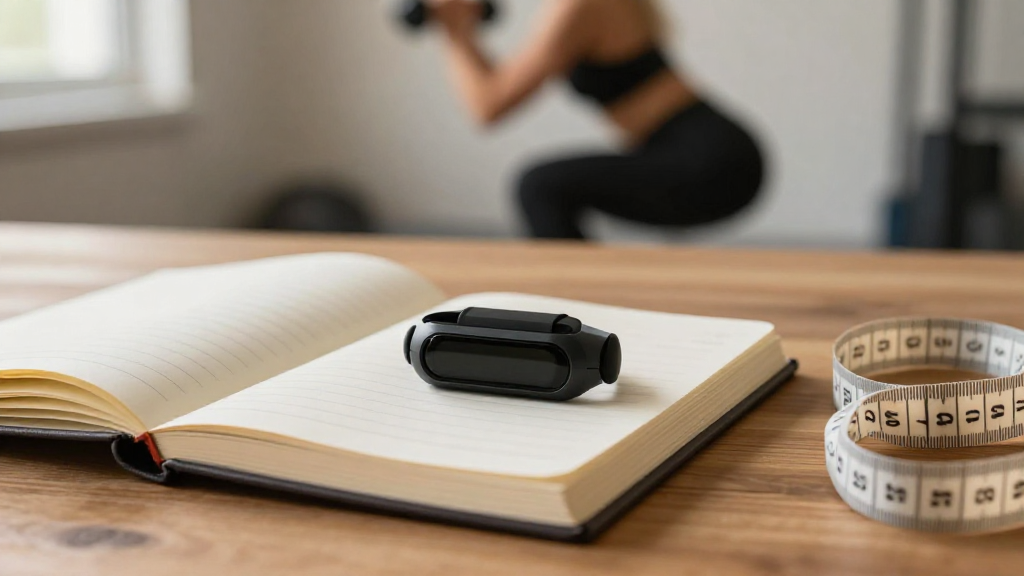
Tracking your personal training progress is essential for staying motivated, adjusting your workout routine effectively, and ultimately achieving your fitness goals.
In this article, we’ll explore various methods you can use to track your personal training progress and ensure that you stay on the right path to success.
Why Is Personal Training Progress Tracking Important?
-
Motivation: Seeing your improvements can boost your motivation tremendously.
-
Adjustment: By tracking your progress, you can easily identify what’s working and what’s not.
-
Goal Setting: Regular updates help you realign your goals and set new ones as needed.
-
Accountability: A well-documented plan holds you accountable to your fitness journey.
What Methods Can Be Used for Personal Training Progress Tracking?
When it comes to personal training progress tracking, there are several methods. Here are some of the most effective ones:
1. Journaling Your Workouts
-
Daily Logs: Write down every workout in detail, including exercises, sets, reps, and weights.
-
Weekly Reviews: At the end of each week, review your journal to assess your progress.
Benefits:
– Helps you identify trends in strength and endurance.
– Easily spots plateaus or dips in performance.
2. Using Fitness Apps
Numerous apps specialize in personal training progress tracking.
Some popular options include:
- MyFitnessPal: Great for tracking nutrition and workouts.
- Strava: Excellent for runners and cyclists.
- Workout Trainer: Offers guided workouts and progress tracking.
Benefits:
– Allows you to see visual data like graphs and charts.
– Syncs with other devices for real-time tracking.
3. Taking Body Measurements
Measurements provide tangible proof of your progress, irrespective of what the scale shows.
Key areas to measure include:
- Waist
- Hips
- Chest
- Arms
- Thighs
Benefits:
– Often, body composition changes are more significant than weight loss.
– Helps track fat loss and muscle gain more accurately.
4. Progress Photos
Visual evidence can be incredibly motivating. Here’s how to utilize this method effectively:
-
Consistent Timing: Take pictures at the same time of day, preferably under similar lighting.
-
Same Angles: Capture your physique from the front, side, and back to spot changes.
Benefits:
– Provides a visual timeline of your physical transformation.
– Helps maintain long-term motivation by seeing changes over time.
5. Functional Assessments
Testing your physical capabilities can be a clear indicator of progress.
Common assessments include:
- Push-Up Tests: Measure upper body strength.
- Squat Tests: Check lower body strength.
- 1-Mile Run: Assess cardiovascular fitness.
Benefits:
– Helps establish a baseline and tracks improvements in strength and endurance.
– Encourages goal setting based on performance milestones.
How Often Should You Track Your Progress?
The frequency of tracking can vary depending on your goals:
-
Weekly Tracking: Great for beginners to see initial improvements.
-
Monthly Tracking: Ideal for those looking for long-term changes and sustainability.
-
Every Few Months: Suitable for advanced athletes focusing on specific goals.
What Should You Avoid When Tracking Personal Training Progress?
Here are some common pitfalls to avoid:
-
Obsessing Over the Scale: Weight fluctuates due to various factors. Focus on overall progress.
-
Ignoring Non-Scale Victories: Celebrate achievements like increased endurance or strength gains.
-
Limited Time Frame: Give yourself enough time to notice changes.
-
Neglecting Form: Prioritize technique over numbers to avoid injuries.
How to Use Your Tracking Data Effectively
Once you’ve gathered your personal training progress tracking data, how do you use it?
-
Set SMART Goals: Specific, Measurable, Achievable, Relevant, Time-bound goals can provide a clear path forward.
-
Adjust Your Workouts: If you notice plateaus, consider varying your routine to target different muscle groups or increase intensity.
-
Seek Professional Help: If you’re unsure how to interpret your data, consult a personal trainer for expert advice.
-
Celebrate Success: Take the time to acknowledge your accomplishments and adjust your goals accordingly.
Wrap-Up: Tools for Effective Personal Training Progress Tracking
In summary, tracking your personal training progress is critical for achieving your fitness goals.
By leveraging methods such as journaling, fitness apps, body measurements, progress photos, and functional assessments, you can create a comprehensive view of your journey.
Remember to:
- Choose a method that resonates with you.
- Remain consistent.
- Adjust as needed based on what the data tells you.
By doing so, you’ll keep yourself motivated and focused, making your fitness journey not just about reaching the finish line but enjoying the process along the way.
Tracking also sets the stage for significant physical and mental benefits, so get started today!
With a structured approach to personal training progress tracking, success is just around the corner.