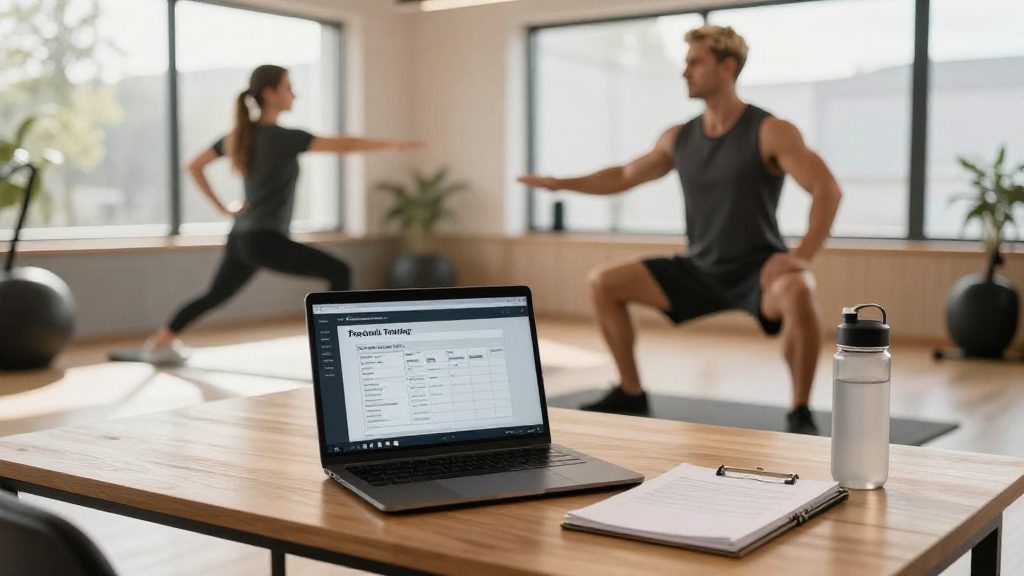
Writing effective personal training progress reports is essential for tracking client progress and optimizing training programs.
These reports serve as a valuable tool for both trainers and clients to understand what’s working and what isn’t.
What Is a Personal Training Progress Report?
A personal training progress report is a document that summarizes a client’s achievements, challenges, and overall progress over a specific period.
This document helps to:
- Assess performance: Identify improvements in strength, endurance, flexibility, and body composition.
- Set goals: Aid in establishing new, realistic, and measurable fitness goals.
- Modify programs: Allow trainers to adjust workout plans based on client performance and feedback.
- Engage clients: Keep clients motivated by visually demonstrating their progress.
Why Are Personal Training Progress Reports Important?
Creating personal training progress reports can significantly benefit both trainers and clients.
Here are a few key reasons:
-
Accountability: Progress reports hold clients accountable for their fitness journeys.
-
Motivation: Seeing tangible results can inspire clients to stick with their programs.
-
Communication: Reports serve as a medium for trainers to communicate with clients about their goals and achievements.
-
Documentation: They provide a written record of progress and setbacks.
-
Professionalism: Well-organized reports enhance the professionalism of the trainer-client relationship.
What Should Be Included in Personal Training Progress Reports?
When crafting personal training progress reports, it’s essential to include comprehensive information.
Here’s a list of key components to consider:
-
Client Information: Name, contact details, and specific goals.
-
Training Sessions Overview: A summary of workouts attended, including date, duration, and type of training.
-
Assessment Results: Include measurements like weight, body fat percentage, and strength test results.
-
Progress Updates: Highlight notable achievements such as PRs (Personal Records) or improvements in endurance.
-
Client Feedback: Gather insights from the client on how they feel about their progress.
-
Recommendations: Offer suggestions for future workouts or nutrition adjustments based on progress.
How Often Should You Write Personal Training Progress Reports?
The frequency of writing personal training progress reports can vary based on client needs and training programs.
Here are some recommendations:
-
Monthly Reports: A monthly report is often practical for most clients. This allows enough time to assess significant changes and trends in performance.
-
Post-Assessment Reports: After any major assessment (like a fitness test), provide a report to highlight changes and recommend adjustments.
-
When Goals Change: If a client sets new goals, create a new progress report to outline a revamped strategy.
How to Format Personal Training Progress Reports Effectively?
An effective format for personal training progress reports improves readability and engagement.
Consider the following tips:
Use Clear Headings
Create distinct sections with headings for easy navigation:
-
Client Overview
-
Progress Summary
-
Goals Met
-
Future Plans
Incorporate Visuals
Use graphs and charts to demonstrate progress visually.
-
Before and After Photos: Capture changes in physique.
-
Graphs for Measurements: Track weight loss or strength gains over time.
Provide Bullet Points
Use bullet points to list achievements, challenges, and recommendations clearly.
- Achievements: “Increased squat weight by 20 lbs.”
- Challenges: “Struggled with nutrition adherence.”
Make Recommendations
Based on the assessment, provide actionable advice that the client can implement moving forward.
- Incorporate More Cardio: If endurance is lacking, suggest a tailored cardio routine.
What Tone Should You Use in Personal Training Progress Reports?
The tone of your personal training progress reports should be:
-
Encouraging: Acknowledge achievements and reinforce confidence.
-
Professional: Ensure that the report maintains a level of professionalism that reflects your expertise.
-
Constructive: Offer constructive criticism when necessary, focusing on how to improve rather than just pointing out setbacks.
How Can Technology Aid in Creating Personal Training Progress Reports?
Using technology can streamline the process of creating personal training progress reports.
Here are some tools that can help:
-
Fitness Apps: Many apps allow trainers to track workouts and automatically generate reports based on data inputs.
-
Spreadsheet Software: Tools like Microsoft Excel or Google Sheets can help organize data and generate graphs.
-
Templates: Utilize progress report templates available online to create professional-looking reports quickly.
How to Review and Discuss Progress Reports with Clients?
Once you formulate the personal training progress reports, how do you effectively communicate them with clients?
Here are some steps:
-
Schedule a Meeting: Arrange a dedicated time to discuss the report with the client.
-
Walk Through the Report: Go through the report section by section, highlighting key points.
-
Encourage Feedback: Ask clients for their thoughts on their progress and areas they wish to focus on.
-
Reassess Goals: Be open to adjusting goals based on the discussion and the client’s feelings about their training.
Conclusion: How Are Personal Training Progress Reports Beneficial?
Incorporating well-structured personal training progress reports into your training regimen can profoundly impact the relationship between trainer and client.
These reports not only help in tracking progress but also motivate clients and provide a clear path toward success.
By carefully analyzing achievements, setting new goals, and making necessary adjustments, both trainers and clients can work collaboratively toward optimal fitness outcomes.
Remember, the key to successful personal training is communication, accountability, and adaptability.
Using personal training progress reports is a strategic way to ensure that every client feels informed and motivated to pursue their fitness journey.