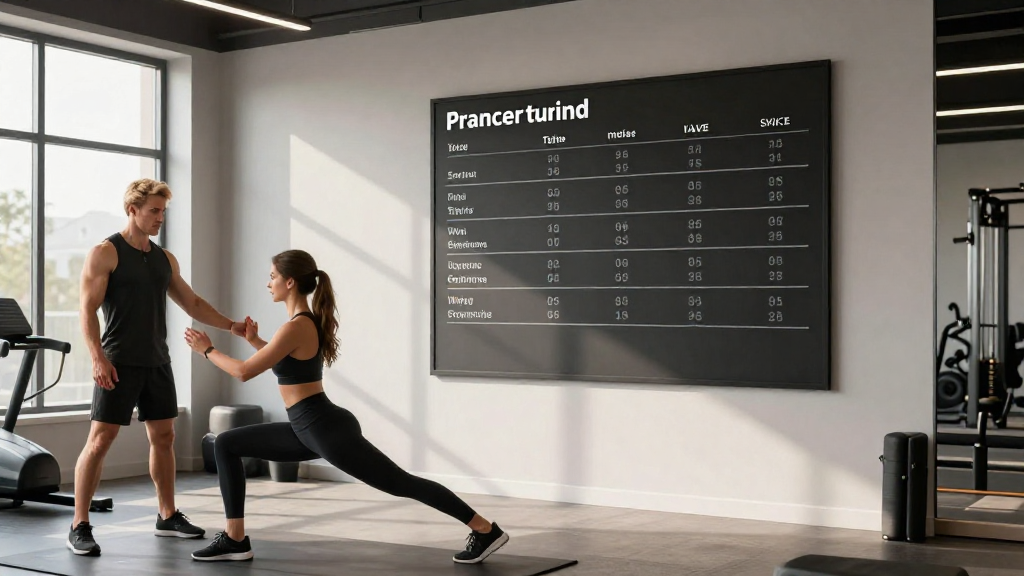
Understanding the personal training pricing structure can be the key to finding the right fitness coach for your needs.
Navigating the world of personal training can be overwhelming.
With a myriad of options available, it’s essential to grasp the different pricing models.
Let’s dive into the nuances of how personal training pricing structures work.
What Are Common Elements in Personal Training Pricing Structures?
When it comes to a personal training pricing structure, several factors can affect the overall cost.
Here are the main components that contribute to pricing:
- Experience of the Trainer: More seasoned trainers often charge higher rates.
- Location of Training: Prices can vary widely based on geographical location.
- Session Length: Personal training sessions can be 30, 60, or 90 minutes long.
- Packages Offered: Many trainers provide discounted rates for bulk sessions.
- Specialization: Trainers with niche expertise (like post-rehabilitation or sports-specific training) may have different pricing.
How Does Session Length Influence Pricing?
One of the most immediate ways the personal training pricing structure can differ is through the length of the sessions.
In general, here’s a breakdown:
- 30-Minute Sessions: These are often cheaper, averaging $30 to $50.
- 60-Minute Sessions: The most common duration, typically costing between $50 to $100.
- 90-Minute Sessions: Longer sessions may range from $80 to $150.
Trainers may offer reduced rates for shorter sessions, making them a viable option for individuals just starting out.
Why Do Packages Matter in Personal Training Pricing?
One of the most appealing aspects of personal training pricing structures is the availability of package deals.
Many trainers and gyms offer bulk discounts, which can significantly reduce costs.
Here’s how this typically works:
- Single Session Rate: This can range from $50 to $100.
- 5-Session Package: You might save 10-15%, bringing the average price to $45 to $90 per session.
- 10-Session Package: Discounts often increase, with prices dropping to about $40 to $85 per session.
Pricing becomes more attractive as you commit to more sessions.
This not only helps save money but also encourages consistency in training.
What Factors Cause Price Variation Among Trainers?
Trainer qualifications and expertise play a vital role in determining the personal training pricing structure.
Consider these factors:
- Certifications: Trainers with advanced degrees or certifications may charge more.
- Experience: Years of working in the industry can affect the price.
- Client Success Stories: Established trainers with proven track records often justify higher rates.
- Geographic Location: Major cities usually have higher costs than smaller towns.
It’s crucial to weigh these factors against your personal training budget.
Is Location a Major Factor in Personal Training Rates?
Location can significantly impact the personal training pricing structure.
Here’s a quick overview:
- Urban Areas: Expect to pay $80 to $150 per hour.
- Suburban Areas: Prices may range from $60 to $100.
- Rural Areas: Sessions could start as low as $40.
Moreover, the availability and competition among trainers in your area can either inflate or deflate prices.
If you live in a city with numerous gyms and trainers, you might find more competitive pricing options.
Are There Additional Costs Associated with Personal Training?
In addition to session fees, various ancillary costs can come with hiring a personal trainer.
Understanding these can help you better budget for your fitness journey.
Keep the following in mind:
- Membership Fees: Some trainers work in gyms where you’ll need to pay membership fees.
- Travel Fees: If you choose in-home training, some trainers may charge additional travel costs.
- Nutrition Plans: Many trainers provide customized nutrition plans for an extra fee, often ranging between $50 and $100.
- Equipment: If special equipment is needed and not provided, you may incur additional expenses.
Being aware of these potential extra charges ensures there are no surprises.
How Does a Trainer’s Specialty Affect Pricing?
Personal trainers often have specializations that can influence their pricing structure.
For instance:
- General Fitness Trainers: Often charged at the lower end of the pricing spectrum.
- Sports Performance Trainers: May command premium rates, averaging $80 to $120 per session.
- Rehabilitation Specialists: These trainers can charge more due to their expertise, often ranging from $70 to $150.
The demand for niche skills also plays a role in setting prices.
How Do You Determine the Value of Personal Training?
When evaluating a personal training pricing structure, it’s essential to consider value rather than just cost.
Here are some ways to assess value:
- Results: Consider if the trainer has a proven track record of helping clients meet their fitness goals.
- Customized Plans: Tailored workout and nutrition plans can provide significant added value.
- Support and Motivation: A trainer who provides ongoing motivation can enhance your overall experience and results.
Quality should always outweigh quantity in personal training.
Are Group Sessions a Viable Alternative?
If one-on-one training is outside your budget, group sessions can be a fantastic alternative.
Many trainers offer group classes at a lower per-person rate.
Here are some benefits:
- Cost-Effective: Typically range from $15 to $30 per person if a group of five or more is present.
- Community Environment: Group dynamics can increase motivation and accountability.
- Variety of Workouts: Trainers often employ different techniques and equipment in group settings.
Group training allows you to benefit from trainer guidance while significantly reducing costs.
Conclusion
Understanding the personal training pricing structure is essential for making an informed decision about your fitness journey.
By evaluating factors such as session length, trainer expertise, and package options, you’ll be better equipped to choose a trainer that fits both your needs and your budget.
Remember to look for value beyond just the numbers on a price tag.
Investing in your health and well-being is always worth it.
Explore your options, ask questions, and most importantly, find a trainer who aligns with your personal fitness goals.