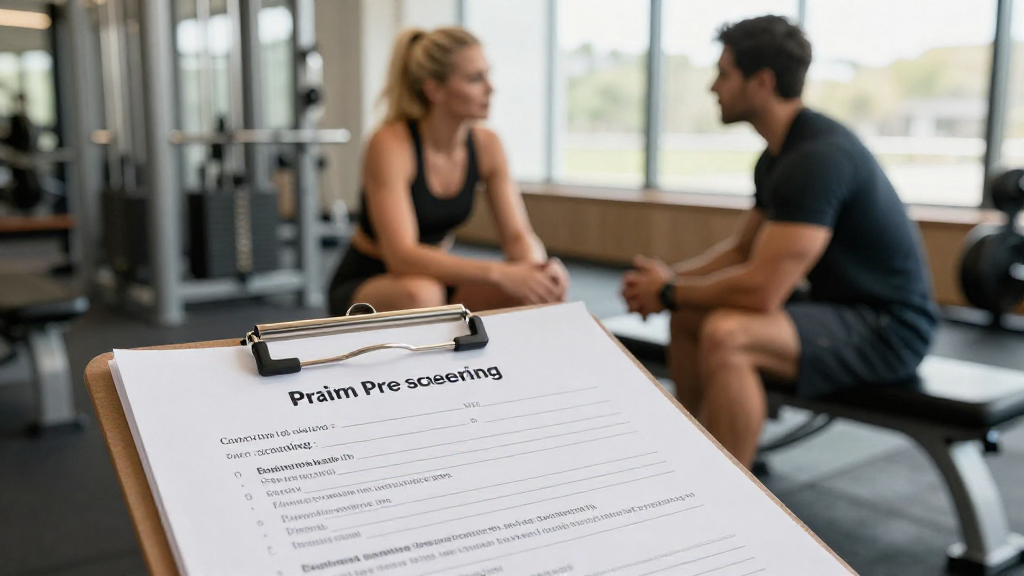
When it comes to personal training, asking the right personal training pre-screening questions is crucial for ensuring the safety and effectiveness of your client’s fitness journey.
Why Are Personal Training Pre-Screening Questions Important?
Personal training pre-screening questions help trainers gather essential information about a client’s health, fitness level, and goals.
These questions allow trainers to:
- Identify medical history: Understanding any pre-existing conditions can prevent injuries.
- Determine fitness goals: Knowing what the client aims to achieve helps tailor programs.
- Understand physical capabilities: This aids in creating a safe and effective plan that aligns with the client’s abilities.
What Are the Key Categories of Personal Training Pre-Screening Questions?
When conducting a pre-screening, it’s helpful to structure your personal training pre-screening questions into key categories. Below are some crucial sections to consider:
1. Health History: What Should Be Asked?
Understanding a client’s health background is vital. Here are essential personal training pre-screening questions in this category:
- Do you have any chronic medical conditions? (e.g., diabetes, heart disease)
- Are you currently taking any medication?
- Have you had any surgeries in the past?
- Do you have any allergies, especially to medications?
- Have you ever experienced chest pain during physical activity?
2. Fitness Experience: What Is Their Background?
Knowing your client’s previous experience with fitness can help you gauge their capabilities:
- What is your current exercise routine, if any?
- How many times a week do you typically work out?
- Have you ever worked with a personal trainer before?
- What types of workouts do you enjoy? (i.e., strength training, cardio, yoga)
- What are your favorite and least favorite exercises?
3. Goals and Motivation: What Are They Aiming For?
Understanding your client’s goals can create a focused training plan:
- What are your short-term fitness goals? (e.g., lose weight, build muscle)
- What are your long-term fitness goals? (e.g., complete a marathon)
- Why is achieving these goals important to you?
- How do you measure success in your fitness journey?
- What motivates you to stay active?
4. Lifestyle and Habits: What Else Should Be Considered?
Lifestyle factors can significantly affect fitness outcomes:
- What does a typical day look like for you in terms of activity and nutrition?
- How many hours of sleep do you get on average?
- What is your occupation and does it involve physical activity?
- Do you smoke or drink alcohol? If so, how much?
- How do you handle stress?
5. Physical Abilities: Are There Any Limitations?
Assessing physical abilities ensures safety during training sessions:
- Are you currently experiencing any pain or discomfort during exercise?
- Do you have any previous injuries that we should consider?
- Can you perform specific movements? (e.g., squats, push-ups, or lunges)
- Have you undergone any physical therapy in the past?
- Are there any physical activities you are currently avoiding?
How to Effectively Conduct a Pre-Screening?
Once you have your list of personal training pre-screening questions, here are some strategies to conduct the pre-screening effectively:
1. Create a Comfortable Environment
Make sure clients feel at ease when answering personal training pre-screening questions. This can lead to more honest and insightful responses.
2. Use Open-Ended Questions
Encourage clients to elaborate on their answers by asking open-ended questions such as:
- “Can you tell me more about your fitness journey?”
- “What challenges have you faced in your training before?”
3. Listen Actively
Pay attention to your client’s responses. Listening actively not only helps you gather valuable information but also builds rapport.
4. Follow Up With Clarifications
If you need more information, don’t hesitate to ask clarifying questions like:
- “Could you explain that injury you mentioned?”
- “What do you mean by ‘not enjoying’ your workouts?”
Common Mistakes to Avoid in Personal Training Pre-Screening
To enhance your effectiveness in using personal training pre-screening questions, avoid these common pitfalls:
1. Ignoring Red Flags
Always take note of any initial indicators of health risks that clients mention. These could be serious and warrant a modified approach to their training.
2. Rushing Through the Process
Ensure that you allocate enough time for this vital step. Rushing can lead to missed information that could compromise your client’s safety.
3. Focusing Solely on Physical Fitness
Remember to address emotional and mental aspects as well. A client’s mindset is just as important for their success.
4. Using Jargon
Make sure your questions are easy to understand and free from technical jargon. This encourages open communication.
Conclusion: Crafting a Personalized Experience Starts Here
Establishing a solid foundation through effective personal training pre-screening questions sets the stage for a successful and safer fitness experience.
By evaluating health history, fitness experience, goals, lifestyle habits, and physical abilities, trainers can tailor their programs to meet individual needs.
An insightful pre-screening process fosters trust and opens channels for communication, ultimately leading to client satisfaction and success.
For your next personal training assessment, ensure that discussing personal training pre-screening questions is prioritized. It could make all the difference in achieving lasting fitness results for your clients!