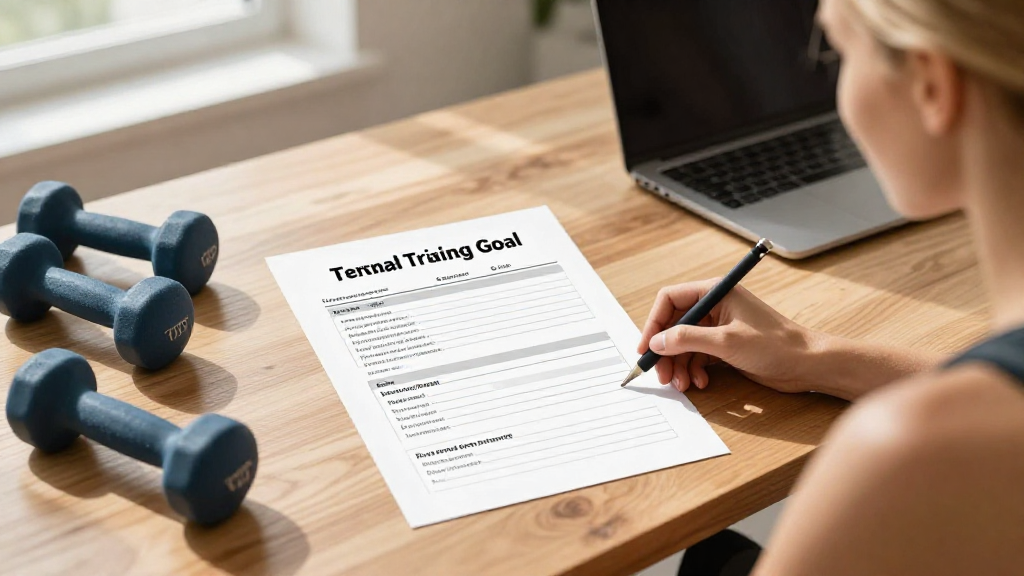
Are you looking to achieve your fitness aspirations? A personal training goal worksheet can be your secret weapon.
In this article, we’ll explore everything you need to know about creating an effective personal training goal worksheet to help you stay on track and reach your fitness objectives.
What Should Be Included in a Personal Training Goal Worksheet?
A well-structured personal training goal worksheet encompasses various components that are critical for tracking your progress and maintaining motivation.
Here’s what you should include:
1. Specific Goals
What do you want to achieve?
- Weight Loss: Aim to lose a specific number of pounds in a defined timeframe.
- Muscle Gain: Set your sights on gaining a specific amount of muscle.
- Endurance: Consider training for a marathon or improving your running speed.
2. Measurable Metrics
How will you measure your progress?
Include measurable metrics to track your success:
- Body Measurements: Regularly document metrics like waist, hips, and chest measurements.
- Weight: Weigh yourself weekly or monthly.
- Strength Benchmarks: Keep track of your lifting weight or number of repetitions.
3. Action Steps
What actions will you take to achieve your goals?
Outline actionable steps that will guide your journey:
- Daily Workouts: Specify the types of workouts you will perform.
- Nutritional Changes: List dietary modifications for better performance.
- Rest and Recovery: Plan for recovery days in your regimen.
4. Time Frame
When will you reach your goals?
Setting a timeline is crucial:
- Short-Term Goals: What can you achieve in 1-3 months?
- Long-Term Goals: What are your goals for the next 6-12 months?
5. Motivational Factors
What keeps you motivated?
- Personal Reasons: Write down why achieving these goals is important to you.
- Visual Reminders: Create a vision board or keep photo reminders in your worksheet.
6. Barriers and Solutions
What obstacles might you face?
Think about potential challenges you may encounter and how to overcome them:
- Time Constraints: Identify time-efficient workouts for busy days.
- Plateaus: Acknowledge moments where progress stalls and be ready with alternatives.
Why Use a Personal Training Goal Worksheet?
How can a personal training goal worksheet make a difference?
A personal training goal worksheet is not just a piece of paper; it serves as a guide and a motivational tool.
1. Stay Organized
With your goals laid out clearly, you can focus on the important aspects of your fitness journey.
2. Track Progress
Documentation enables you to see how far you’ve come over time.
3. Boost Motivation
Writing down your goals can significantly enhance your motivation, especially when you reflect on your achievements.
How to Create Your Personal Training Goal Worksheet?
What steps should you follow in creating your personal training goal worksheet?
Creating your personal training goal worksheet can be simple and engaging:
1. Choose a Format
Will you use digital tools or pen and paper?
- Digital Tools: Excel sheets, mobile applications, or fitness trackers can organize your goals.
- Paper Options: Notebooks, planners, or printables provide a tactile experience.
2. Outline Your Goals and Metrics
Utilize the components we discussed earlier to clearly outline your goals.
3. Include a Tracking System
What will help you log your progress?
- Daily Logs: Keep a journal of workouts and dietary intake.
- Weekly Progress Checks: Review your metrics and adjust as necessary.
4. Revise Regularly
Goals can evolve, so make your worksheet flexible to adjustments.
Schedule check-ins every month to reassess and modify your actions based on your progress.
Tips for Effectiveness
What can enhance the effectiveness of your personal training goal worksheet?
Embrace these tips to amplify your success:
1. Make it Visible
Place your worksheet somewhere you’ll frequently see it, like your fridge or workspace.
2. Share Your Goals
Accountability increases motivation. Share your goals with friends, family, or a personal trainer.
3. Celebrate Milestones
Recognize your achievements, no matter how small. Rewarding yourself through various means can boost morale.
Common Mistakes to Avoid
What should you watch out for in a personal training goal worksheet?
Prevent these common pitfalls:
1. Setting Vague Goals
Avoid ambiguity at all costs. Instead of saying “get fit,” specify “run 5K in under 30 minutes.”
2. Overcommitting
Don’t set unrealistic goals. Start small and gradually increase intensity and expectations.
3. Neglecting Adjustment
Be willing to adapt your goals and strategies. If something isn’t working, tweak your approach instead of abandoning it.
Conclusion
Creating a personal training goal worksheet can significantly impact your fitness journey.
By including elements like specific goals, measurable metrics, actionable steps, and more, you can create a tailored approach that works just for you.
Remember to keep it visible, share your goals for accountability, and stay flexible by revising as needed.
With a well-designed personal training goal worksheet, you are on your way to success in achieving your fitness aspirations! Start outlining yours today and take the first step toward reaching your targets!