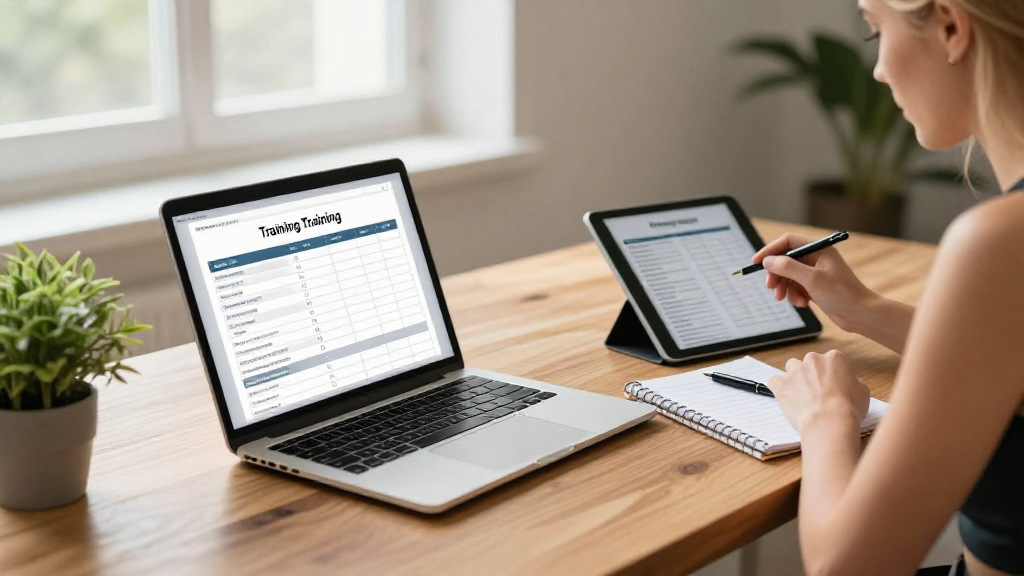
In the world of fitness and personal training, proper documentation is crucial.
Understanding personal training documentation tips can significantly enhance your client interactions, streamline your processes, and ultimately lead to better client outcomes.
What are the Essential Components of Personal Training Documentation?
When creating personal training documentation, there are several key elements to consider.
These components ensure that both you and your clients are on the same page regarding goals, progress, and expectations.
1. Client Information:
– Basic personal details (name, age, contact information)
– Medical history (injuries, illnesses, medications)
– Fitness background (previous experience, workout habits)
2. Goals and Expectations:
– Short-term and long-term fitness goals
– Behavioral habits related to fitness and nutrition
– Client expectations from training sessions
3. Assessment Results:
– Initial fitness assessments (strength tests, flexibility tests, endurance tests)
– Body composition measurements (weight, body fat percentage)
– Progress tracking over time
4. Training Plans:
– Customized workout plans tailored to each client’s goals
– Weekly or monthly schedules outlining specific exercises
– Progression tracking to show adaptability in training
5. Communication Logs:
– Document any conversations about training sessions
– Note any changes in the client’s physical or mental state
– Record any feedback provided by the client regarding workouts
How Can Personal Training Documentation Maintain Client Accountability?
Accountability is a crucial component in personal training.
With well-organized documentation, you can hold your clients accountable for their progress and commitment.
1. Regular Check-ins:
– Schedule regular check-ins to discuss progress and challenges.
– Document these conversations to track changes and improvements.
2. Progress Reports:
– Provide periodic updates on fitness assessments and achievements.
– Celebrate milestones to motivate your clients.
3. Goal Re-evaluation:
– Regularly revisit client goals based on progress reports and feedback.
– Adapt training plans as necessary to reflect current fitness levels.
What are the Best Practices for Managing Training Documentation?
Effective management of your personal training documents is critical for maximizing efficiency.
Here are some tips to keep your documentation organized:
1. Use Digital Tools:
– Utilize software or apps tailored for fitness professionals.
– Consider platforms like Trainerize, My PT Hub, or TrueCoach for streamlined documentation.
2. Create Templates:
– Design templates for client intake forms, assessment logs, and workout plans.
– Consistent templates save time and ensure all necessary information is collected.
3. Organize Files:
– Maintain separate folders for each client, if possible.
– Use cloud storage systems for easy access and backup.
4. Regular Backups:
– Regularly back up your documentation to avoid losing important data.
– Set reminders to back up your files monthly or quarterly.
How Can You Ensure Compliance in Personal Training Documentation?
Compliance with legal and ethical standards is essential when maintaining personal training documentation.
Here are ways to ensure your documentation aligns with regulations:
1. Obtain Consent:
– Always get consent before documenting personal information.
– Have clients sign a form indicating their agreement to your documentation practices.
2. Protect Privacy:
– Store personal information securely to maintain client confidentiality.
– Limit access to client documents to authorized personnel only.
3. Stay Informed:
– Familiarize yourself with local laws regarding personal training and client data.
– Attend workshops or webinars that provide updated guidelines and practices.
Can Personal Training Documentation Improve Client Relationships?
Absolutely! Good documentation practices can foster stronger relationships with clients.
1. Foster Communication:
– Use documentation to keep communication transparent, sharing progress reports regularly.
– Create an atmosphere where clients feel comfortable discussing their challenges.
2. Show Professionalism:
– Well-organized documents portray professionalism and commitment to your clients.
– Clients are more likely to invest in someone who is serious about their profession.
3. Increase Trust:
– Consistent recording shows your dedication to their progress, enhancing trust.
– Trust leads to long-term client relationships and positive referrals.
What Should You Do if You Encounter Challenges in Documentation?
Challenges can arise even with the best documentation practices.
How can you proactively address these?
1. Streamline Processes:
– Constantly evaluate your documentation processes for efficiency.
– Seek feedback from clients on how easy or difficult they find the documentation.
2. Professional Development:
– Attend training sessions focused on personal training documentation.
– Networking with other trainers can provide insights into overcoming common challenges.
3. Seek Support:
– Consider hiring administrative help if documentation becomes overwhelming.
– Use online communities or forums for tips and advice on personal training documentation.
Conclusion
Understanding and implementing effective personal training documentation tips can transform your personal training practice.
By focusing on key components such as client information, goals, assessment results, training plans, and communication logs, you can boost accountability and improve client relationships.
Organizing your documentation using digital tools, creating templates, and ensuring compliance will streamline your workflow.
Moreover, consistently improving your documentation practices can foster trust and professionalism, ultimately leading to client satisfaction and loyalty.
Investing the time and effort into improving your documentation strategies can greatly enhance your career as a personal trainer and lead to better outcomes for your clients.
So take these tips into consideration and elevate your personal training documentation to new heights!