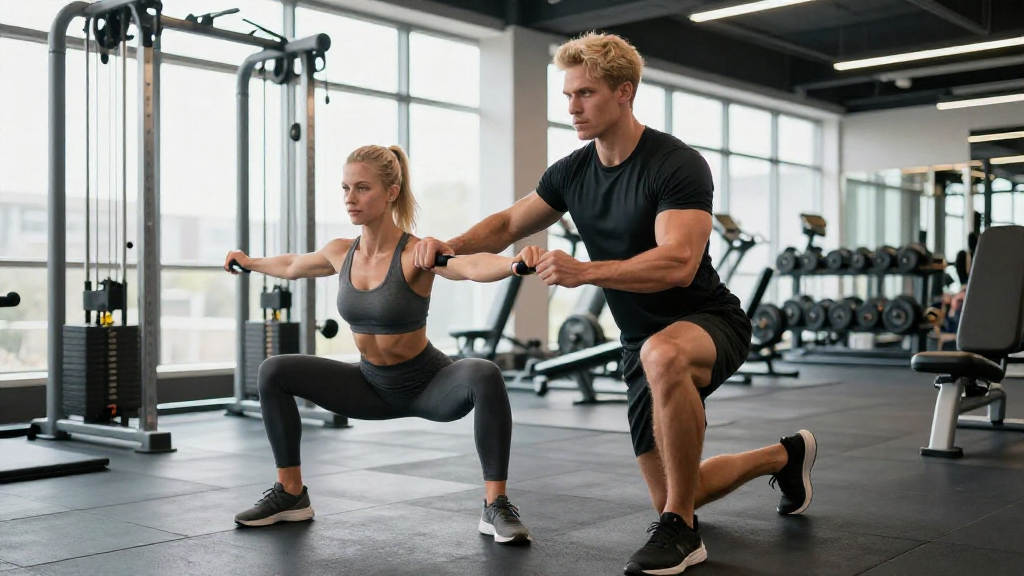
The personal training certification process is a crucial step for anyone looking to establish a career in fitness and bodybuilding.
In this article, we’ll explore the significance of certification, the various steps involved in the certification process, and what it means for aspiring personal trainers.
Why is the Personal Training Certification Process Important?
A personal training certification validates your skills and knowledge in the field of fitness.
Having a recognized certification opens doors to a variety of opportunities, including:
- Working at reputable gyms: Many employers require trainers to be certified.
- Credibility with clients: Clients tend to trust certified professionals more.
- Networking opportunities: Certification courses often provide access to industry events and forums.
- In-depth knowledge: The training you receive prepares you for various client needs and fitness challenges.
Considering these factors, understanding the personal training certification process is essential for anyone serious about entering the fitness industry.
What Steps Are Involved in the Personal Training Certification Process?
The personal training certification process can vary slightly based on the organization you choose. However, the following general steps are commonly involved:
1. Research Certification Bodies
Before enrolling, it’s essential to research reputable organizations that offer personal training certifications.
Some of the well-known certification bodies include:
- National Academy of Sports Medicine (NASM)
- American Council on Exercise (ACE)
- National Strength and Conditioning Association (NSCA)
- International Sports Sciences Association (ISSA)
Each of these organizations has different prerequisites, costs, and resources.
2. Check Prerequisites
Most certification programs have basic prerequisites, such as:
- Being at least 18 years old
- Holding a high school diploma or equivalent
- Possessing a current CPR/AED certification
Make sure to verify these requirements before moving forward in the personal training certification process.
3. Choose a Study Program
Once you’ve selected a certification organization, the next step in the personal training certification process is to choose a study program that suits your learning style.
Options typically include:
- In-person classes: Ideal for those who learn better in a structured classroom environment.
- Online courses: Offer flexibility for those with busy schedules.
- Hybrid programs: Combine both in-person and online elements.
Assess your time commitments, preferred learning methods, and budget before making a decision.
4. Prepare for the Exam
After choosing your study program, the next phase is to prepare for the certification exam.
Study tips include:
- Reviewing provided materials: Most courses offer textbooks, online resources, and practice exams.
- Joining study groups: Collaborating with peers can enhance understanding.
- Taking practice tests: Familiarizing yourself with the exam’s format will ease anxiety on the test day.
5. Register and Schedule the Exam
Once you feel prepared, you can register for the exam.
To do this, you’ll typically need to:
- Create an account on the certification body’s website.
- Pay any associated fees.
- Choose a date and location for the exam.
Make sure to keep track of deadlines to ensure a smooth registration process.
6. Take the Exam
On the day of the exam, remember these essential tips:
- Arrive early: This helps you acclimate to the environment and reduces stress.
- Bring necessary materials: Some organizations require identification or specific documents.
- Stay calm: Take deep breaths and approach each question with a clear mind.
After completing the exam, you’ll typically receive your results shortly after.
7. Maintain Your Certification
Once you pass the exam, congratulations!
You’re now a certified personal trainer. However, the personal training certification process doesn’t end here. Most certifications require continuing education to maintain your credentials.
This may involve:
- Keeping up with new trends: The fitness industry is continuously evolving.
- Attending workshops: Engage in professional development opportunities.
- Renewing your CPR/AED certification: This is often required every few years.
8. Gain Real-World Experience
Finally, gaining practical experience is crucial.
Consider the following opportunities to apply your skills:
- Internships at gyms: This provides hands-on experience.
- Shadowing experienced trainers: Learning directly from professionals can be invaluable.
- Building a client base: Start small by training friends or family.
This experience will not only enhance your resume but also help solidify your confidence as a personal trainer.
What Should I Look For in a Certification Program?
When evaluating your options in the personal training certification process, consider the following factors:
- Accreditation: Ensure the organization is recognized by relevant industry bodies.
- Curriculum: Review what topics will be covered and if they align with your career goals.
- Cost: Factor in all costs, including study materials and exam fees.
- Support: Check if the organization offers resources like mentorship or job placement assistance.
Choosing the right program is crucial for your success in the personal training certification process.
Conclusion: Your Journey to Becoming a Personal Trainer
The personal training certification process is a significant stepping stone for anyone aspiring to be a personal trainer.
By following the outlined steps—from researching certification bodies to gaining real-world experience—you’ll position yourself for success in the competitive fitness industry.
Remember, continuous learning and adaptation are essential to thrive as a personal trainer.
Stay committed to your professional development, and you’ll not only achieve your certification but also make a meaningful impact on the lives of your clients.
Embarking on this journey requires effort and dedication, but the rewards are worthwhile for those passionate about fitness and helping others achieve their health goals.