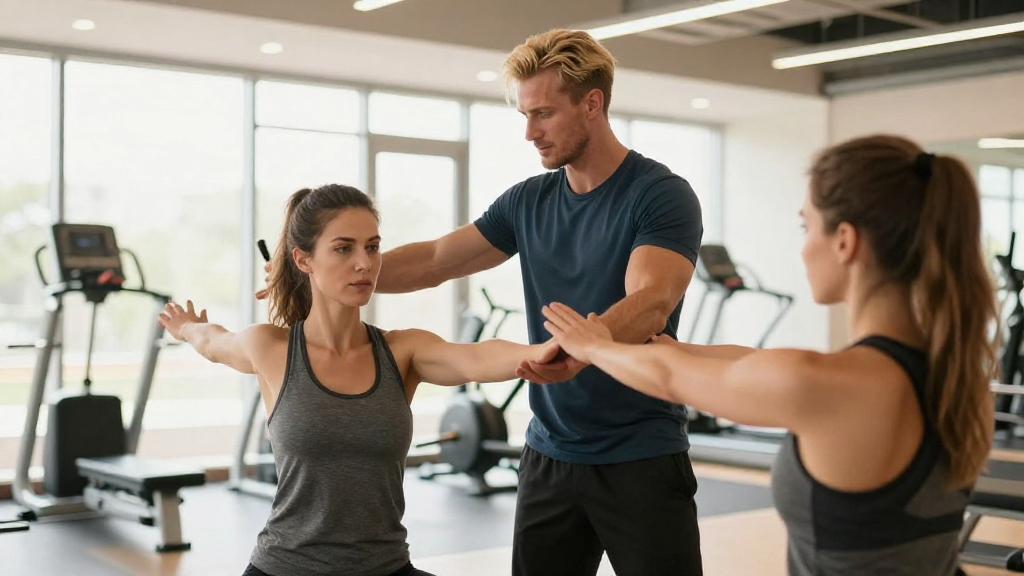
Effective communication is a cornerstone of success in the fitness industry.
This personal trainer communication guide aims to equip trainers with essential skills to enhance client relationships, improve training outcomes, and foster a positive environment in the gym.
Why Is Communication Important for Personal Trainers?
Communication plays a vital role in every aspect of a personal trainer’s career. Here’s why it’s crucial:
- Builds Trust: Open and honest communication helps in establishing a rapport with clients.
- Enhances Understanding: Clear instructions regarding workout plans, nutrition, and expectations lead to better client compliance.
- Fosters Motivation: Positive reinforcement and effective feedback motivate clients to achieve their fitness goals.
- Prevents Misunderstandings: Good communication minimizes the risk of misinterpretations related to workouts and progress.
In this personal trainer communication guide, we will delve into various communication strategies and techniques that can enhance your effectiveness as a personal trainer.
What Are the Key Components of Effective Communication?
To achieve a high level of communication, personal trainers should focus on several key components:
-
Active Listening:
– Pay full attention to what your clients are saying.
– Reflect on their concerns and feelings.
– Asking clarifying questions ensures you understand their needs. -
Clear and Concise Instructions:
– Use straightforward language when explaining exercises or meal plans.
– Break down complex concepts into simple, digestible steps. -
Empathy and Understanding:
– Acknowledge your clients’ feelings and challenges.
– A compassionate approach makes clients feel valued and understood. -
Feedback and Encouragement:
– Regularly provide constructive feedback on performance.
– Celebrate small wins to keep clients motivated on their fitness journey.
How Can Body Language Improve Communication with Clients?
Non-verbal cues are just as important as verbal communication. Here’s how body language can enhance client interactions:
- Maintain Eye Contact: Shows attentiveness and confidence.
- Use Open Gestures: Avoids crossing arms and promotes a friendly atmosphere.
- Nod: Acknowledge what your clients say, which encourages them to share more about their experiences.
- Facial Expressions: Smile and use appropriate responses to convey warmth and approachability.
What Communication Tools Can Personal Trainers Use?
There are various tools available for personal trainers to enhance communication with clients. Consider using:
- Fitness Apps: These allow you to send workout plans, track progress, and communicate efficiently.
- Social Media: Share tips, updates, and motivational content to engage your clients outside of sessions.
- SMS or Messaging Apps: Quick updates, reminders, and check-ins can keep clients motivated.
- Email Newsletters: Provide valuable information and updates directly to clients’ inboxes.
How Do You Handle Client Feedback?
Feedback, whether positive or negative, is valuable for personal trainers. Here’s how to handle it:
- Encourage Open Feedback: Foster an environment where clients feel comfortable sharing their thoughts.
- Stay Professional: Remain calm and collected when receiving criticism.
- Act on Feedback: Make adjustments as necessary to meet your clients’ needs.
- Show Appreciation: Thank clients for their feedback, reinforcing your commitment to their improvement.
What Strategies Help in Delivering Constructive Criticism?
Constructive criticism is essential for a client’s growth. Here are some strategies for delivering it effectively:
- Be Specific: Instead of saying, “You need to improve,” explain what and how.
- Focus on Behavior, Not Personality: Frame critiques as opportunities for improvement rather than personal flaws.
- Use the “Sandwich” Method: Start with positive feedback, followed by areas for improvement, and close with encouragement.
How Important Is Goal Setting in Communication?
Setting clear and achievable goals is a critical aspect covered in this personal trainer communication guide. Here’s why it’s vital:
- Provides Direction: Goals give both trainers and clients a clear focus.
- Measurable Progress: Helps clients track their progress and stay motivated.
- Enhances Motivation: Clearly defined goals create a sense of purpose and achievement.
To set effective fitness goals, please follow the SMART criteria:
- Specific: Goals should clearly define what you want to achieve.
- Measurable: Use quantitative metrics to track progress.
- Achievable: Ensure goals are realistic and attainable.
- Relevant: Goals should align with the client’s overall fitness aspirations.
- Time-bound: Set deadlines to create urgency.
How Can Personal Trainers Foster a Positive Environment?
Creating a positive atmosphere will encourage clients to thrive. Here’s how:
- Be Approachable: Maintain a friendly demeanor to make clients feel comfortable asking questions.
- Use Inclusive Language: Avoid jargon and speak in terms that everyone can understand.
- Celebrate Milestones: Recognize achievements, making clients feel valued and accomplished.
- Keep Energy Levels High: Your enthusiasm can have a contagious effect on your clients.
Why Is Continuous Learning Important for Personal Trainers?
The fitness industry is ever-evolving, and so should your communication skills. Continuous learning can include:
- Attending Workshops: Participate in seminars focused on communication and client psychology.
- Reading Books: Invest time in literature that addresses client engagement and motivational strategies.
- Feedback from Peers: Regularly solicit feedback from fellow trainers about your communication effectiveness.
How Can Personal Trainers Personalize Communication?
Every client is unique, and personalizing communication can lead to better outcomes. Here’s how to do it:
- Know Your Clients: Understand their backgrounds, motivations, and goals.
- Tailor Your Communication Style: Adjust your approach based on the client’s personality.
- Follow Up: Regularly check in with clients to discuss their progress and address any concerns.
Conclusion
In conclusion, this personal trainer communication guide has outlined essential strategies to improve your communication skills within the fitness industry.
By focusing on active listening, clear instructions, and providing empathetic feedback, personal trainers can significantly enhance client relationships and outcomes.
Investing in communication expertise will not only benefit your career but also lead your clients toward achieving their fitness goals.
Remember, communication is not just about speaking; it’s about connecting, and the better you connect, the more successful you become as a personal trainer.