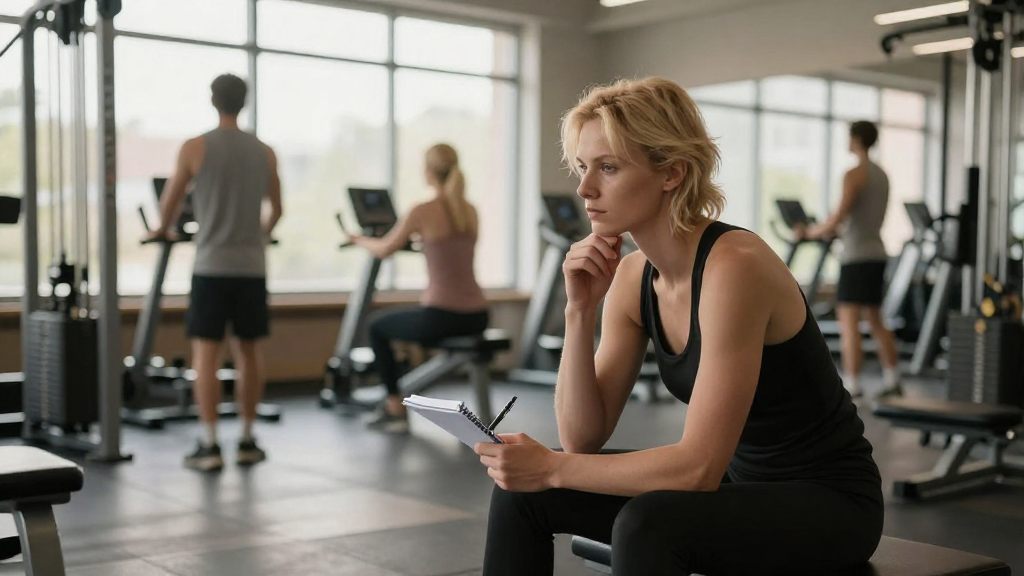
Reflecting on your personal training sessions is crucial for growth and improvement.
In this article, we will explore how to reflect on training sessions effectively, enhance your performance, and maximize your fitness journey. Let’s dive in!
Why Is Reflection Important in Personal Training?
When it comes to fitness, progress cannot solely be measured by the numbers on a scale or the weights lifted.
Reflection is an integral part of the training process.
Here’s why understanding how to reflect on training sessions matters:
- Identifies Strengths and Weaknesses: Regular reflection helps you recognize what works for you and what doesn’t.
- Enhances Motivation: Knowing your achievements can rekindle your drive to push forward.
- Promotes Accountability: Reflecting on your sessions reinforces your commitment to your goals.
- Informs Future Training: By learning from past experiences, you can tailor your workouts for better results.
What Should You Reflect On?
Now that we understand the importance of reflection, let’s discuss what specific aspects you should consider when learning how to reflect on training sessions.
Here are key areas to focus on:
-
Workout Intensity:
Did you find the session challenging?
Were you able to push yourself, or did you feel underwhelmed?
Assessing the intensity can help you adjust your future workouts. -
Technique and Form:
Did you maintain proper form throughout the exercises?
Reflecting on your technique can minimize injuries and improve effectiveness. -
Energy Levels:
How did you feel during and after the workout?
Were you energized, fatigued, or both?
Monitoring your energy can inform your rest and recovery needs. -
Emotional Impact:
How did the session make you feel?
Did you experience triumph, frustration, or boredom?
Understanding your emotional responses helps tailor workouts to maintain positivity. -
Nutrition and Hydration:
Did you fuel your body correctly before and after training?
Reflection on your nutrition can guide adjustments that enhance your performance. -
Goals Achievement:
Did you meet your personal objectives during the session?
Reflecting on whether you achieved your goals can inspire future motivation.
How Can You Reflect After Each Session?
Now that we have covered what to reflect on, let’s discuss practical methods on how to reflect on training sessions effectively.
Here’s how you can make reflection a part of your routine:
- Journaling:
Keep a dedicated notebook or digital journal to capture your thoughts after each session.
Include:
– Date and Time
– Exercises Completed
– Thoughts on Performance
– Emotional State
-
Self-Assessment Questions:
Use a set of guiding questions to prompt your reflection:
– What did I enjoy most about today’s session?
– What challenges did I face?
– What can I do differently next time? -
Video Analysis:
If you’re comfortable, record your sessions.
Watching yourself can provide invaluable insights into your technique and form. -
Feedback from Trainers:
If you work with a trainer, ask for their feedback on your performance.
Their perspective will add value to your self-reflection. -
Set New Goals:
After reflecting, it’s essential to set actionable goals for your next session.
This can include aiming for a specific weight or mastering a new exercise.
How Can Reflection Support Long-Term Goals?
By now, you might wonder how learning how to reflect on training sessions can impact your larger fitness journey.
Here’s how reflection links to your long-term goals:
- Tracking Progress:
Regular reflections help you see your progress over time, reinforcing the efforts you put in. - Preventing Burnout:
Understanding what works helps you vary your routine, preventing monotony and fatigue. - Accountability:
You become your own accountability partner, enhancing discipline and consistency. - Skill Development:
Reflecting on your techniques leads to improved skills as you work on identified weaknesses.
How Often Should You Reflect?
While reflecting after every session is ideal, it’s also important to create a sustainable routine.
Here’s my recommendation:
-
Daily Quick Reflections:
Spend 5–10 minutes post-session jotting down immediate thoughts. -
Weekly Reviews:
Dedicate time each week to review your daily reflections, noting patterns and adjusting goals as needed. -
Monthly Comprehensive Evaluations:
At the end of each month, analyze your progress holistically.
Reflect on how well you’re moving towards your long-term goals.
Can Technology Aid Your Reflection Process?
Absolutely!
In today’s digital world, various apps and online platforms can enhance how to reflect on training sessions.
Consider the following options:
-
Fitness Apps:
Many fitness applications allow tracking of workouts, nutrition, and personal reflections. -
Online Journals:
Use electronic journals or blogs to document your journey and share with a community for feedback. -
Video Analysis Tools:
Apps that allow for split-screen or frame-by-frame analysis can be instrumental in improving technique.
Conclusion: Start Your Reflection Journey Today
Reflecting on your personal training sessions is a powerful tool for achieving your fitness goals.
By systematically considering what went well and what needs improvement, you can enhance your training sessions significantly.
From journaling to utilizing technology, there are numerous ways to integrate reflection into your routine.
With consistent practice, you will harness the power of reflection to not only improve your fitness but also develop a more profound understanding of yourself as an athlete.
Now that you’ve learned how to reflect on training sessions, it’s time to implement these strategies.
Start today, and watch how it transforms your personal training journey!