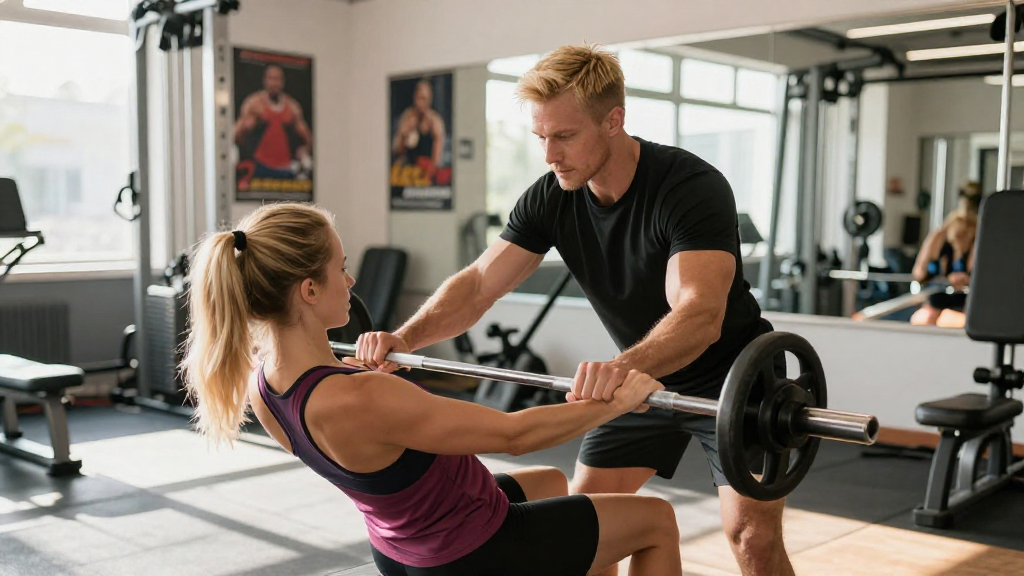
Evaluating personal training sessions is essential for anyone looking to enhance their fitness journey.
In this article, we will explore how to evaluate training sessions effectively, helping you get the most out of your workouts and achieve your fitness goals.
What Should You Consider in Training Sessions?
When evaluating personal training sessions, consider the following factors:
-
Goals Alignment:
– Are the training sessions aligned with your specific fitness goals? Whether you’re aiming for weight loss, muscle gain, or improved endurance, your trainer should tailor workouts accordingly. -
Assessment of Progress:
– Is there a method in place to measure your progress? This can include strength gains, endurance improvements, or weight changes. Regularly assessing progress is crucial. -
Session Structure:
– How structured are the sessions? Effective training sessions typically include a warm-up, workout, and cooldown. A well-structured session can prevent injury and ensure comprehensive training. -
Trainer’s Expertise:
– Does your personal trainer have the appropriate qualifications and experience? An experienced trainer can provide valuable insights and adapt training methods to suit your unique needs.
How Do You Track Your Progress?
Tracking your progress is vital for understanding the effectiveness of your training sessions.
-
Keep a Journal: Maintain a detailed journal to document workouts, weights lifted, and any variations in performance. This can help evaluate personal training sessions over time.
-
Use Technology: Fitness apps and wearable devices can provide informative data on your workouts, heart rates, and overall performance.
-
Regular Check-Ins: Schedule periodic assessments with your trainer to review your progress and adjust your training plan accordingly.
Are the Workouts Engaging?
An engaging workout is crucial for maintaining motivation and consistency.
- Variety in Exercises: A good trainer will introduce a mix of exercises to keep sessions exciting. Ask yourself:
- Are you doing different workouts each week?
-
Is there a blend of cardio, strength training, and flexibility work?
-
Feedback Mechanism: How often does your trainer seek feedback about your enjoyment and engagement? An open line of communication can lead to adjustments that keep workouts fun.
How to Measure Effectiveness?
Evaluating the effectiveness of your personal training sessions requires incorporating several assessment strategies.
-
Physical Outcomes:
– Are you noticing improvements in your strength, endurance, and body composition? Measure these with predetermined metrics. -
Energy Levels:
– Are you feeling more energetic during workouts and throughout the day? Increased energy can indicate that your training sessions are effective. -
Mental Well-being:
– Consider how working out impacts your mood and mental clarity. Regular training can reduce stress and enhance mental fitness.
Is Your Trainer Adaptable?
A good personal trainer should be adaptable to your needs and progress.
-
Responsive to Feedback: Does your trainer adjust workouts based on your feedback or observed performance? An adaptable trainer is key to maximizing the effectiveness of training sessions.
-
Programming Changes: As you progress, your trainer should introduce new challenges and progressively harder tasks to stimulate muscle growth and enhance endurance.
How Do You Rate Communication?
Communication is fundamental for a successful trainer-client relationship.
-
Clear Instructions: Are the instructions given during workouts clear and concise? Effective communication can help you execute exercises correctly and avoid injury.
-
Availability: How accessible is your trainer outside of sessions? A trainer should be willing to answer questions or provide motivation when needed.
What Is Your Level of Satisfaction?
Personal satisfaction is a critical element when evaluating training sessions.
-
Enjoyment Factor: Assess whether you enjoy your sessions. Enjoyment increases adherence to training and enhances motivation.
-
Reevaluation Period: Consider scheduling regular intervals to assess your satisfaction with both the sessions and the trainer. A dissatisfied client may struggle to make progress.
Do You Feel Supported?
Support plays a significant role in your training experience.
-
Encouragement and Motivation: Does your trainer motivate you, celebrate your achievements, and push you to overcome obstacles?
-
Nutrition Guidance: An effective personal trainer should also understand nutrition. Are they providing you with guidance on dietary choices that support your fitness goals?
When Should You Reassess Your Trainer?
If you find that the training sessions are not yielding expected results despite regular evaluation, it may be time to reassess your trainer.
-
Lack of Progress: If you’ve been working with the trainer for substantial time and noting little to no progress, it could indicate a need for change.
-
Stagnation: Are you constantly doing the same workouts without variation? This can lead to plateaus—an indicator that you might need to switch trainers or approaches.
Conclusion: How to Evaluate Training Sessions Effectively
Evaluating personal training sessions doesn’t have to be complicated.
By focusing on goal alignment, assessing progress, ensuring engaging workouts, measuring effectiveness, observing adaptability, fostering communication, and satisfying your personal needs, you can effectively evaluate your training sessions.
Remember, the key to success in fitness is not just about working hard but working smart.
Focus on how to evaluate training sessions to ensure that you are on the right path to achieve your fitness goals.
Happy training!