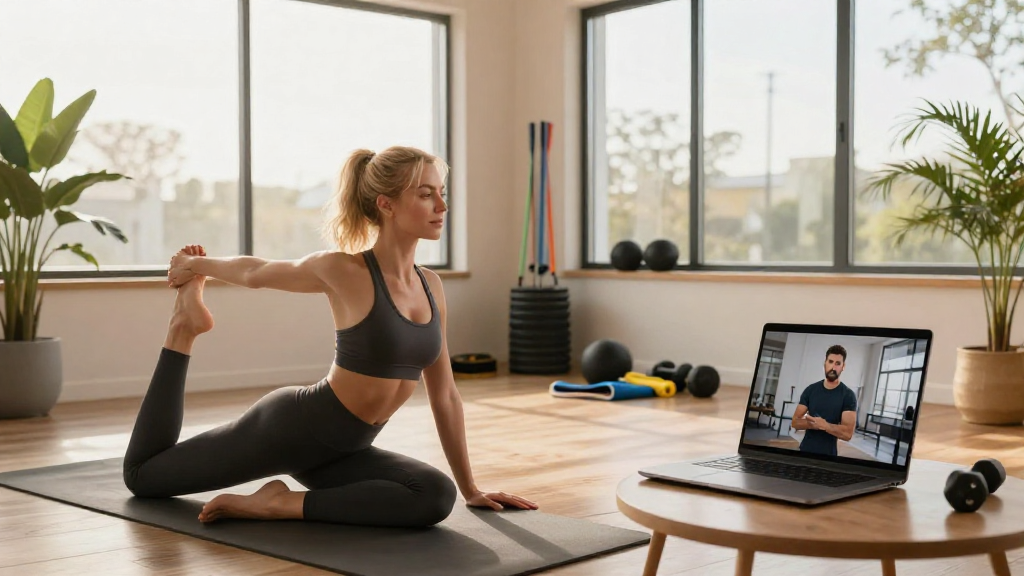
In a world increasingly reliant on technology, knowing how to do remote personal training effectively is essential for fitness professionals and clients alike.
As social distancing becomes the norm and gym sessions transition to home workouts, remote personal training offers flexibility and access to quality coaching no matter where you are.
What is Remote Personal Training?
Remote personal training utilizes technology to deliver fitness coaching online.
It allows trainers and clients to connect virtually through video calls, mobile apps, or fitness platforms.
Clients receive personalized workout plans, accountability, and support without being physically present.
Why Choose Remote Personal Training?
- Flexibility: Clients can schedule sessions at their convenience.
- Accessibility: Trainers can reach clients across the globe.
- Cost-effective: Often cheaper than traditional in-person training.
- Variety: A wider range of expertise is available, allowing clients to find the right fit for their fitness goals.
How to Do Remote Personal Training Successfully?
How to do remote personal training is a question that encompasses several crucial steps.
Here’s a comprehensive guide to help trainers deliver effective remote training experiences.
Step 1: Assess Your Client’s Needs
Before getting started, thoroughly assess your client’s unique needs. A good initial assessment should include:
- Fitness Goals: Weight loss, muscle gain, or athletic performance?
- Current Fitness Level: Beginner, intermediate, or advanced?
- Health Concerns: Any existing injuries or health issues?
This foundational information is crucial for designing a tailored program that resonates with your client’s aspirations.
Step 2: Choose the Right Technology
Selecting the right platforms and tools can make or break the remote training experience.
Consider these options:
- Video Call Platforms: Zoom, Skype, or Google Meet for live sessions.
- Fitness Apps: MyFitnessPal, Trainerize, or TrueCoach for workout tracking.
- Communication Tools: WhatsApp or Slack for quick messages and updates.
It’s important to choose user-friendly tools so clients can easily navigate them.
Step 3: Create a Personalized Training Plan
Now that you have a firm grasp of your client’s needs and familiarity with the technology, it’s time to create a comprehensive training plan.
To make this plan effective:
- Include Specific Workouts: Tailor each session to meet your client’s fitness goals.
- Set Habits: Along with workouts, create healthy lifestyle habits, including nutrition.
- Progress Tracking: Use apps to track performance and progression.
This level of personalization will boost motivation and accountability!
Step 4: Provide Clear Instructions
In remote personal training, clarification is key.
Since you can’t physically demonstrate movements, ensure clients understand the exercises thoroughly.
Here are some tips:
- Video Demonstrations: Share links to video resources that demonstrate proper form.
- Written Descriptions: Provide detailed notes on each exercise, including reps and sets.
- Check-ins: Schedule periodic sessions to gauge understanding and form.
Step 5: Engage and Motivate Your Clients
Keeping clients engaged in a remote setting can be challenging. Here are some strategies:
- Regular Communication: Send motivational texts or voice notes.
- Fitness Challenges: Create friendly competitions or group challenges.
- Feedback: Offer constructive feedback and positive reinforcement regularly.
Client-client communication fosters a sense of community, making it less isolating.
What Equipment Do I Need for Remote Personal Training?
While many workouts can be done without equipment, having some basic training tools can enhance your session’s effectiveness.
Consider recommending:
- Resistance Bands: Versatile and great for strength training.
- Dumbbells: Ideal for various exercises to promote muscle gain.
- Yoga Mat: Provides comfort during floor exercises.
These items allow for a wider range of exercises, keeping workouts diverse.
How to Measure Progress in Remote Training?
Tracking progress can be challenging in remote personal training. However, it’s crucial to demonstrate results.
Suggested Progress Tracking Methods:
- Fitness Tests: Establish baseline tests at the beginning and retest monthly.
- Photos: Encourage your clients to take before and after photos to visualize transformation.
- Measurements: Use a tape measure to track changes in body composition.
- Goal Setting: Set short-term and long-term goals to keep clients focused.
Progress evaluation fosters motivation and strengthens the client-trainer relationship, making the process much more fulfilling.
How to Address Client Concerns?
In a remote personal training environment, questions and concerns are bound to occur.
Make sure you are always open to communication.
Tips for addressing concerns:
- Schedule Q&A Sessions: Dedicate time to questions in regular sessions.
- Create an FAQ Document: Address common concerns so clients can refer back to it.
- Be Available: Establish office hours where clients can reach you for urgent queries.
Building this level of trust reassures clients that they are supported every step of the way.
What are the Benefits of Remote Personal Training?
The shift to remote training has introduced numerous benefits for both trainers and clients:
- Better work-life balance: Interacting from the comfort of home can reduce stress.
- Diverse Expertise: Clients can choose trainers specialized in their preferred workout styles.
- Fostering Independence: Clients may develop self-sufficiency while still having support.
In summary, knowing how to do remote personal training can open doors to new opportunities in the fitness industry, making you adaptable to modern demands.
Conclusion: The Future of Personal Training
How to do remote personal training effectively is more than just following a checklist; it involves understanding your client’s needs, leveraging technology, and maintaining high engagement levels.
As we embrace a more digital world, offering remote personal training could be a defining feature for fitness professionals.
The focus should always remain on delivering value, building trust, and helping clients achieve their fitness goals from any location.
Through continuous learning, using the right technology, and maintaining open lines of communication, both trainers and clients can enjoy the rewarding benefits of remote personal training. Remember, the journey is just as important as the destination, so be supportive, encouraging, and dedicated to your clients’ fitness success!