Finding a reliable plyo box on a budget can make jump training, step-ups, squats, and conditioning work more accessible at home. The best options balance stable construction, useful height choices, and a surface that helps reduce slips during fast movements.
We compared 10 plyometric boxes under $50 across wood, steel, and foam designs to help you choose the right fit for your space, training style, and experience level.
Best 10 Plyometric Boxes Under 50 Picks for 2026
Best Budget Wooden Option
Amazon Basics 3-in-1 Wooden Plyo Box

- Three height settings: 12, 14, and 16 inches
- 450-pound stated weight capacity
- Handles and pre-drilled assembly points
Best For: Progressive home-gym training on a budget
Best Stable Wood Design
CAP Barbell 3-in-1 Plyometric Box
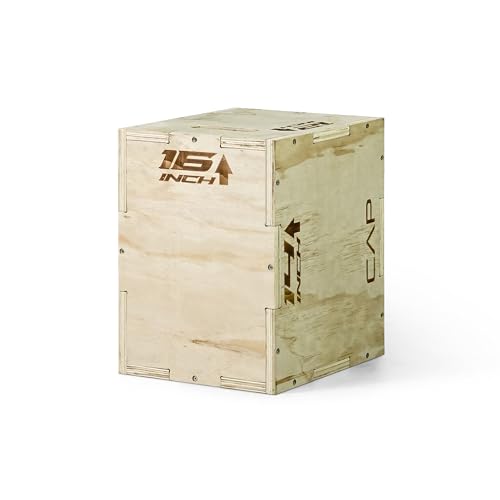
- Rotates between 12-, 14-, and 16-inch heights
- Interlocking panels with countersunk screws
- Smooth edges and integrated carry handles
Best For: Home or garage gyms needing a rigid wooden box
Best Foam 3-in-1 Option
Zoomster 3-in-1 Plyometric Jump Box

- Three heights from 12 to 24 inches
- EPE foam core with reinforced PVC cover
- Textured non-slip surface and 450-pound capacity
Best For: Cushioned home workouts and varied HIIT training
Best Steel Stability
GanFindX 12-Inch Steel Plyometric Platform

- Reinforced alloy-steel frame with 500-pound capacity
- Non-slip top and rubber floor-protecting pads
- Stackable 12-inch platform for compact storage
Best For: Stable, space-conscious strength and conditioning workouts
Best Adjustable Wood Pick

- Three height options: 12, 13, and 16 inches
- Plywood construction rated up to 400 pounds
- Non-slip surface with handles and quick assembly
Best For: Versatile home or gym strength and plyometric training
Best Soft-Landing Option
BalanceFrom 3-in-1 Foam Plyo Box

- Rotates for 16-, 20-, and 24-inch heights
- High-density foam offers softer impact
- Textured non-slip surface and lightweight design
Best For: Beginner-friendly home workouts and lower-impact training
Best Heavy-Duty Steel Pick

- Steel platform supports up to 500 pounds
- Textured top and rubber feet improve traction
- Fixed 12-inch height for jumps and step-ups
Best For: Stable, high-capacity home or gym training
Best Budget 3-in-1

- Three heights: 12, 14, and 16 inches
- 450-pound capacity with non-slip surface
- Pre-drilled assembly takes less than five minutes
Best For: Beginners and compact home gyms
Best Adjustable Training Box

- Three height options for varied workouts
- Plywood puzzle joints support 450 pounds
- Includes a two-year manufacturer warranty
Best For: Progressive home-gym training
Best High-Capacity Option

- Three heights: 12, 14, and 16 inches
- 570-pound listed weight capacity
- Compact, portable design with non-slip surface
Best For: Users prioritizing higher weight capacity
Best Budget Wooden Option – Amazon Basics 3-in-1 Wooden Plyo Box
If you want plyometric boxes under 50 for a home gym, this Amazon Basics wooden model offers three training heights in one compact design. Rotate it between 12, 14, and 16 inches for box jumps, step-ups, dips, and conditioning work.
Best For: Beginners and intermediate home-gym users who want adjustable heights, carry handles, and a high stated weight capacity.
Pros:
- Three heights—12, 14, and 16 inches—support progressive training.
- Supports up to 450 pounds and has wide built-in handles.
- Sanded edges, pre-drilled holes, and included instructions simplify setup and handling.
Cons:
- Wooden construction requires assembly.
- Designed primarily for indoor training.
This is a practical value pick when versatility and straightforward home-gym use matter most. Its three-sided design gives you multiple starting points without requiring separate boxes.
Best Stable Wood Design – CAP Barbell 3-in-1 Plyometric Box
Among plyometric boxes under 50, the CAP Barbell 3-in-1 model stands out for its interlocking engineered-wood construction. Its 12-, 14-, and 16-inch orientations accommodate box jumps, step-ups, agility drills, and conditioning sessions.
Best For: Home and garage gym users who prioritize a rigid platform, smooth edges, and easy repositioning.
Pros:
- Three height options allow progressive plyometric training.
- Interlocking panels, countersunk screws, and engineered wood create a stable platform.
- Smooth edges and built-in carry handles improve everyday usability.
Cons:
- Its maximum weight recommendation is 300 pounds, lower than some alternatives.
- Assembly is required.
The CAP Barbell is a sensible choice for controlled home training where a clean finish and stable assembled structure are priorities. Check the 300-pound recommendation against your intended use before buying.
Best Foam 3-in-1 Option – Zoomster 3-in-1 Plyometric Jump Box
For shoppers comparing plyometric boxes under 50, the Zoomster provides three heights in a soft-sided format. Its high-density EPE foam core and reinforced PVC cover are intended for box jumps, HIIT, step-ups, squats, lunges, dips, and MMA conditioning.
Best For: Home users who want a cushioned training surface with 12-, 18-, and 24-inch height options.
Pros:
- Three heights reach up to 24 inches for varied training intensity.
- 450-pound stated capacity with a high-density EPE foam core.
- Textured PVC cover is designed to resist slipping, tearing, abrasion, and wear.
Cons:
- Foam construction may not provide the same rigid feel as a wooden or steel platform.
- The larger 16-by-20-by-24-inch format may require more storage space.
This model suits users who prefer a shock-absorbing foam box and a broad range of heights. The one-year warranty is an additional consideration for regular home-gym use.
Best Steel Stability – GanFindX 12-Inch Steel Plyometric Platform
If stability is your main concern when shopping for plyometric boxes under 50, the GanFindX uses a reinforced alloy-steel frame and a wide trapezoid base. Its 12-inch platform is designed for box jumps, step-ups, Bulgarian squats, push-ups, and HIIT circuits.
Best For: Users who want a compact steel platform with a non-slip top and floor-protecting rubber feet.
Pros:
- Reinforced steel construction supports up to 500 pounds.
- Wide base, textured top, and four rubber pads are designed to improve stability.
- Stackable design supports easier storage and transport.
Cons:
- Only a 12-inch height is listed, so it offers less height flexibility than 3-in-1 models.
- Simple setup is still required.
The GanFindX is the focused choice for users who value a durable, space-conscious steel platform over adjustable height. Its two-year warranty and floor-protecting pads add practical appeal for frequent training.
Best Adjustable Wood Pick – CAELUM 3-in-1 Wood Plyo Box
If you want plyometric boxes under 50 for varied home or gym workouts, the CAELUM offers three height options in a compact wooden design. Its 12-, 13-, and 16-inch settings support box jumps, step-ups, push-ups, dips, squats, and strength training.
Best For: Beginners and intermediate users who want adjustable heights and a sturdy wood box for versatile training.
Pros:
- Three height options from 12 to 16 inches.
- High-quality plywood construction rated for up to 400 pounds.
- Textured non-slip surface, sanded edges, and side handles.
- Pre-drilled holes, puzzle joints, and included screws simplify assembly.
Cons:
- The 12 x 13 x 16-inch model does not have internal support.
- Wood construction may require assembly before use.
The CAELUM is a practical pick when adjustable training heights matter. Confirm the selected size and support configuration before buying, especially if you plan frequent high-impact jumps.
Best Soft-Landing Option – BalanceFrom 3-in-1 Foam Plyo Box
Among plyometric boxes under 50, the BalanceFrom stands out for its high-density foam construction and softer landing surface. Rotating the box provides 16-, 20-, or 24-inch jump heights for HIIT, step-ups, agility drills, and general home training.
Best For: Beginners and home users who prioritize softer impact and easy repositioning during workouts.
Pros:
- Three height options in one box: 16, 20, and 24 inches.
- High-density foam helps minimize shin scrapes and soften impact.
- Textured anti-slip surface supports jumps, landings, and step-ups.
- Lightweight 10-pound design is easy to move and store.
Cons:
- Maximum recommended user weight is 250 pounds.
- Foam may not provide the same rigid feel as wood or steel.
The BalanceFrom is a sensible choice for lower-impact practice and users concerned about missed jumps. Its multiple heights add flexibility, while the lightweight foam body makes setup convenient.
Best Heavy-Duty Steel Pick – VEVOR 18-Inch Steel Plyo Box
For shoppers comparing plyometric boxes under 50, the VEVOR provides a steel platform with a trapezoidal design and a 500-pound capacity. The supplied model is 12 inches high and suits box jumps, step-ups, push-ups, squats, conditioning, and strength training.
Best For: Users who want a stable steel platform with a high weight capacity for home or gym workouts.
Pros:
- Strong steel construction supports up to 500 pounds.
- Trapezoidal design and welded joints promote stability.
- Textured silicone top and four rubber feet improve grip.
- Can be stacked or disassembled for storage and portability.
Cons:
- The supplied model has one 12-inch height rather than multiple levels.
- Assembly is required.
- Steel construction may offer less cushioning than foam.
The VEVOR favors rigidity and load capacity over adjustable height or soft landings. It is a strong fit for controlled, repeatable training, provided a fixed 12-inch platform meets your workout needs.
Best Budget 3-in-1 – VEVOR Wooden Plyo Box
If you’re comparing plyometric boxes under 50, the VEVOR 3-in-1 model offers three height options in a compact wooden design. Its 16-, 14-, and 12-inch settings make it useful for progressive jump training, step-ups, and home-gym conditioning.
Best For: Beginners and home-gym users who want adjustable height options and quick assembly.
Pros:
- Three training heights: 16, 14, and 12 inches.
- 450-pound weight capacity with a sturdy multilayer plywood structure.
- Non-slip honeycomb surface, rounded edges, and portable handles.
- Pre-cut and pre-drilled for assembly in less than five minutes.
Cons:
- Wooden construction requires assembly before use.
- The maximum listed height is 16 inches.
Its combination of adjustable heights, safety-focused details, and fast assembly makes this a practical low-cost option for varied home workouts.
Best Adjustable Training Box – Fitvids Non-Slip Plyo Box
For shoppers seeking plyometric boxes under 50, the Fitvids wooden jump platform combines a puzzle-joint design with three height options. It is intended for box jumps, step-ups, and strength or stability work in a home gym.
Best For: Users who want a durable, adjustable box with a two-year manufacturer warranty.
Pros:
- Three height settings provide variety for plyometric training.
- High-quality plywood and puzzle joints support a 450-pound capacity.
- Slip-free surface helps provide stability during jumps.
- Assembly takes about 10 minutes, according to the supplied details.
Cons:
- Assembly takes longer than some quick-assembly alternatives.
- The listed maximum height is 24 inches, but the supplied size is 16 by 14 by 12 inches; verify the selected configuration.
Fitvids stands out for its puzzle-joint construction and warranty coverage, while its multiple height options support gradual progression.
Best High-Capacity Option – Signature Fitness Plyo Box
If you’re narrowing down plyometric boxes under 50, the Signature Fitness wooden box offers three height choices in a portable format. Its 12-, 14-, and 16-inch settings accommodate box jumps, step-ups, and other plyometric exercises.
Best For: Users who prioritize a higher listed weight capacity in a compact, adjustable box.
Pros:
- Three height options: 12, 14, and 16 inches.
- 570-pound listed weight capacity, higher than the other supplied options.
- Non-slip surface supports stability during jumping exercises.
- Compact design makes storage and portability easier.
Cons:
- Assembly details are not provided in the supplied notes.
- The maximum listed height is 16 inches.
With its red wood construction, compact footprint, and 570-pound capacity, this model is a strong fit for shoppers who want adjustable training without a bulky setup.
How We Picked the Best Plyometric Boxes Under 50
We focused on features that matter most in budget jump boxes: construction, stability, usable height options, surface traction, assembly requirements, and versatility. Three-in-one designs received special attention because they can support multiple jump heights without requiring several pieces of equipment. We also considered whether each box is better suited to controlled step-ups, explosive box jumps, strength training, or general home-gym conditioning.
Because prices and availability can change, confirm the current listing details before ordering. Pay particular attention to the stated dimensions, weight capacity, and whether the listed price applies to the exact size or style you want.
Quick Comparison
| Box type | Best for | Main advantage | Watch for |
|---|---|---|---|
| 3-in-1 wood | Versatile home training | Multiple heights in one box | Assembly and sharp edges |
| Steel platform | Compact, firm support | Durable rigid frame | Less forgiving on missed jumps |
| Foam | Beginners and low-impact work | Soft landing surface | Can move or compress over time |
Key Buying Factors for Plyometric Boxes Under 50
Height and Dimensions
Choose a height that matches your current ability rather than your maximum ambition. Adjustable or 3-in-1 boxes are useful for progression, while a fixed 12- or 18-inch platform may suit step-ups and straightforward conditioning. Make sure you have enough ceiling clearance and floor space for a safe landing.
Stability and Construction
Wood boxes can offer a solid, traditional platform, but they should be assembled carefully and placed on a level, non-slip floor. Steel models are rigid and often compact, though they may feel less comfortable if you contact an edge. Foam boxes are more forgiving for beginners, but check that the base stays planted during repeated jumps.
Traction and Safety
Look for a non-slip top and corners that are unlikely to catch your shoes. Keep the box away from loose rugs, inspect fasteners regularly, and begin with step-ups or low jumps before increasing intensity. A box is only useful if it remains stable throughout the movement.
Value Beyond Box Jumps
The most practical budget model can also support elevated push-ups, Bulgarian split squats, calf raises, step-ups, and mobility drills. If you want one piece of equipment for varied home workouts, prioritize a stable multi-height design.
Who Should Buy Which Plyometric Boxes Under 50?
Beginners: A foam box or lower-height multi-position model offers a gentler introduction to plyometrics. Most home-gym users: A 3-in-1 wooden box provides the best balance of adjustability and exercise variety. Experienced athletes: A rigid steel or sturdy wood platform may better suit demanding, repetitive training, provided its height and landing area fit your needs. Small-space users: Choose a compact fixed-height platform that stores easily and does not require a large setup area.
Whichever option you choose, verify the dimensions, stability features, and weight rating before purchase. Start with controlled repetitions, use appropriate footwear, and increase height only when you can land quietly and maintain good knee and hip alignment.