The right lifting grips can reduce hand fatigue, improve your hold on demanding pulls, and help you keep training when bare hands become the limiting factor. The options in this roundup include straps, grip-style supports, and lifting hooks for different levels of assistance.
Use the guide below to compare comfort, materials, wrist support, grip security, and ease of use before choosing a pair for deadlifts, rows, pull-ups, or general strength training.
Best 10 Lifting Grips Picks for 2026
Premium All-in-One Grips

- No-slip grip for deadlifts, rows, and pull-ups
- Integrated arch support and palm protection
- Quick release with four wrist-based sizes
Best For: Frequent lifters wanting versatile grip assistance and wrist support
Leather Palm Protection
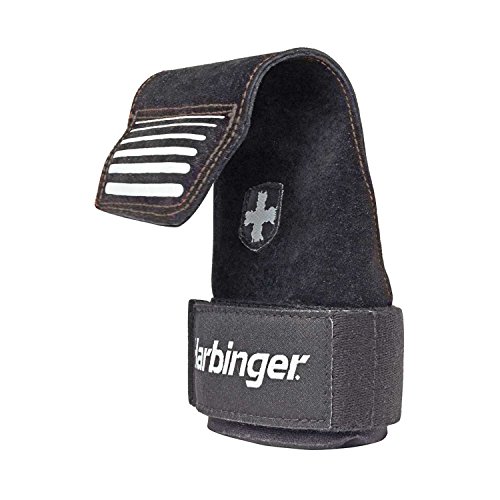
- Open fingers preserve range of motion
- Durahide leather helps prevent calluses
- BioForm bar pad and cushioned wrist support
Best For: Weightlifters wanting leather protection without full-finger gloves
Classic Cotton Straps
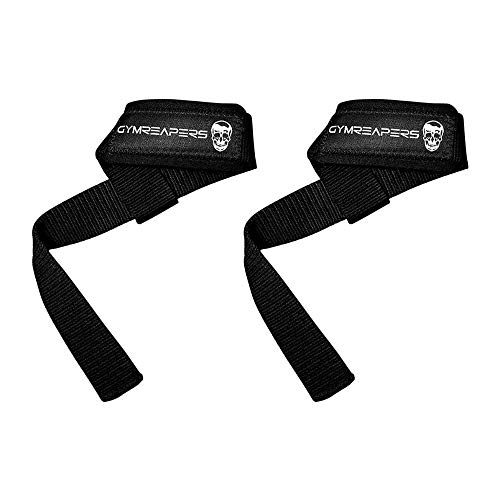
- 18-inch cotton webbing for multiple wraps
- Neoprene padding cushions the wrists
- Designed for heavy pulls and repeated training
Best For: Strength athletes needing durable straps to reduce grip fatigue
Silicone Palm Grips
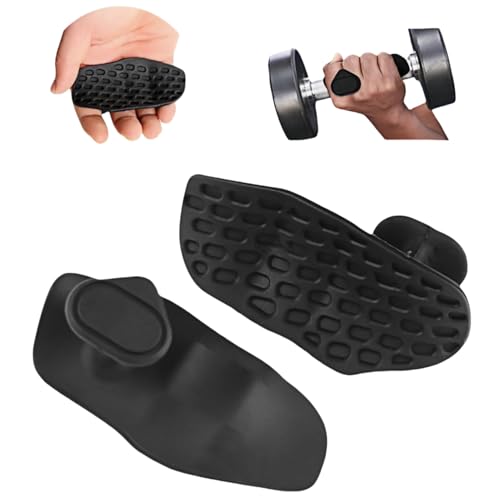
- Flexible silicone supports palm grip and friction
- Helps protect against calluses, blisters, and rips
- Washable, quick-drying, one-size ambidextrous design
Best For: Mixed-training users wanting simple, washable palm protection
Leather Support
Double-Layer Leather Lifting Straps

- Double-layer leather with padded wrist support
- Fits stated 6.3–8-inch wrist circumference
- Designed for deadlifts, rows, and pull-ups
Best For: Lifters seeking durable leather straps with wrist padding
All-in-One Grip
Cobra Grips PRO Wrist-Wrap Grips

- Rubber grips combine traction with wrist support
- PRO version fits stated 5.5–8.75-inch wrists
- Ambidextrous, adjustable hook-and-loop design
Best For: Lifters wanting integrated grips and wrist wraps
Fast-Setup Performance
Fitgriff Elite Rubber Grip Straps

- Natural rubber grip with anti-slip bulge
- Quick-release system with left/right markings
- Four-size range with padded wrist support
Best For: Lifters seeking fast, secure setup for pulling exercises
Best Overall Support

- Reinforced rubber for steady bar control
- Dense neoprene wrist padding
- Adjustable, durable construction
Best For: Heavy deadlifts, rows, shrugs, and pull-ups
Best Comfortable Fit
Frelaxy Leather Lifting Straps
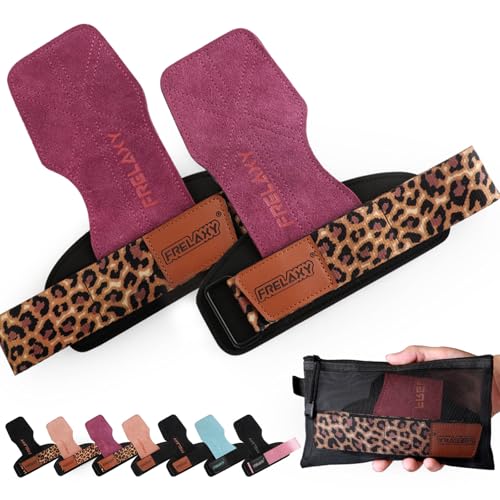
- Fits wrists from 5.5 to 8 inches
- Double-layer soft cowhide construction
- Includes a convenient storage pouch
Best For: Comfort-focused training across varied wrist sizes
Best for Grip Offloading

- Metal-coated hooks rated to 250 pounds each
- Padded adjustable wrist straps
- Reduces hand and forearm fatigue
Best For: Heavy pulling sessions and targeted back training
Premium All-in-One Grips – Versa Gripps PRO
For lifters who want more than basic lifting grips, the Versa Gripps PRO combines a no-slip gripping surface with wrist support and quick release. Its extended grip is designed for deadlifts, rows, and pull-ups while helping reduce palm pressure and calluses.
Best For: Lifters seeking premium, versatile grips with integrated wrist support and fast bar release.
Pros:
- Combines the functions of lifting straps, gloves, and hooks.
- Custom no-slip material supports control during pulling movements.
- Built-in arch support and quick-release design improve comfort and convenience.
- Available in four wrist-based sizes for a more precise fit.
Cons:
- Requires measuring wrist circumference before ordering.
- Premium, specialized design may be more than casual lifters need.
The Versa Gripps PRO is a feature-rich choice for frequent strength training. Choose it when grip assistance, palm coverage, wrist support, and quick release are all priorities.
Leather Palm Protection – Harbinger Lifting Grips
These Harbinger lifting grips offer a glove alternative for weight training, using SpiderGrip Durahide leather and a BioForm pad to help secure the bar. The open-finger design preserves finger movement while adding palm and wrist cushioning.
Best For: Weightlifters who want leather palm coverage without full-finger gloves.
Pros:
- Open-finger construction allows a full range of finger motion.
- Durahide leather helps protect against calluses and blisters.
- BioForm padding conforms to the bar and helps transfer load.
- Cushioned wrist area and hook-and-loop closure provide a secure fit.
Cons:
- The listed model is Medium-Large, so sizing options may be limited.
- Leather requires hand washing and care.
Harbinger’s design is a practical middle ground between gloves and traditional straps. It suits lifters who value palm protection and finger freedom during regular weightlifting sessions.
Classic Cotton Straps – Gymreapers Wrist Straps
Gymreapers’ cotton lifting straps are built to reduce grip fatigue during heavy pulling work. Their 18-inch webbing allows multiple wraps, while neoprene wrist padding adds comfort for deadlifts, rows, shrugs, and other strength movements.
Best For: Bodybuilders, powerlifters, and strength trainees whose grip fails before their target pulling muscles.
Pros:
- 18-inch cotton straps provide multiple wraps around different attachments.
- Neoprene padding helps reduce wrist digging and irritation.
- Useful for deadlifts, rack pulls, shrugs, pull-ups, and rows.
- Reinforced stitching is designed for repeated heavy training.
Cons:
- Straps take more time to wrap and release than quick-release grips.
- Cotton construction may not provide the same palm coverage as gloves or grip pads.
- One-size construction offers less fit customization.
These are straightforward lifting straps for users who want reliable load assistance rather than a glove-style grip. They are a strong match for high-volume pulling sessions and heavy barbell work.
Silicone Palm Grips – Anti-Slip Workout Grips
These silicone lifting grips are a lightweight alternative to traditional workout gloves, with an ergonomic shape that follows the palm and fingers. They are designed for strength training, rows, shrugs, barbell work, and other exercises where extra friction and palm protection are useful.
Best For: Adults wanting washable, breathable palm grips for varied gym and strength-training sessions.
Pros:
- Flexible silicone surface is designed to improve friction and grip stability.
- Helps protect palms from calluses, blisters, and rips.
- Rinses with water and dries quickly to help reduce odor concerns.
- Universal ambidextrous design includes two grips and a carry bag.
Cons:
- One-size design provides less sizing precision than wrist-measured grips.
- Pull-on construction may offer less adjustability than strapped models.
- Grip pads may provide less wrist support than dedicated wrist straps.
For users who prioritize easy care and palm coverage, these silicone grips are a convenient everyday option. Their broad exercise range makes them suitable for mixed training rather than one specific lift.
Leather Support – Double-Layer Leather Lifting Straps
These lifting grips use double-layer leather, wrist padding, and a hook-and-loop closure to help improve bar control during demanding strength sessions. They are designed for deadlifts, rows, shrugs, pull-ups, and other pulling movements.
Best For: Lifters who want leather lifting straps with padded wrist support and a larger stated load capacity.
Pros:
- Double-layer cow suede leather is described as sweat-wicking, nonslip, and resistant to tearing up to 480 pounds.
- Widened neoprene padding and extra padding around the metal ring help reduce wrist pressure.
- Adjustable closure fits stated wrist circumferences from 6.3 to 8 inches.
- Suitable for deadlifts, bodybuilding, rows, pull-ups, and strength training.
Cons:
- The leather strap is specified for palm circumferences of 8.11 inches and above, so sizing should be checked carefully.
- At 0.5 pounds per pair, it is heavier than some minimalist grip options.
This pair is a practical choice when durability, hand protection, and padded wrist comfort matter more than the lightest possible design. Confirm the palm and wrist measurements before ordering.
All-in-One Grip – Cobra Grips PRO Wrist-Wrap Grips
These lifting grips combine a rubber grip surface with adjustable neoprene wrist wraps, giving you an all-in-one alternative to separate grip pads, lifting straps, and power hooks. The ambidextrous design is built for weightlifting and general gym training.
Best For: Lifters who want a compact rubber grip with integrated wrist support and an adjustable fit.
Pros:
- Rubber grip material is designed to provide extra traction and reduce slipping.
- Built-in wrist support and 6mm neoprene padding add comfort during training.
- The PRO model fits stated wrist sizes from 5.5 to 8.75 inches.
- Ambidextrous construction works on either hand and uses hook-and-loop closure.
Cons:
- The product is listed as hand-wash only.
- The PRO size may not suit wrists below the stated 5.5-inch range; a FIT version is described separately for smaller wrists.
Choose these if you prefer the convenience of a single wearable grip-and-wrap system. The broad PRO sizing range is useful, but compare your wrist measurement with the listed range before purchase.
Fast-Setup Performance – Fitgriff Elite Rubber Grip Straps
Fitgriff Elite lifting grips pair natural rubber with neoprene wrist padding and a quick hook-and-release system. Left- and right-hand markings and an anti-slip bulge are intended to make setup faster for deadlifts, pull-ups, rows, and lat pulldowns.
Best For: Lifters who prioritize quick orientation, rubber traction, and a selectable multi-size fit.
Pros:
- Natural rubber construction and an anti-slip bulge are designed for secure bar handling.
- Neoprene wrist padding helps protect the skin during demanding workouts.
- Left/right markings and a hook-and-release system simplify application.
- Available in four sizes, with a detailed size chart for selecting a closer fit.
Cons:
- The supplied listing identifies the included size as Medium-Large, so size availability should be confirmed.
- Users between sizes are advised to choose the smaller option because the material may stretch over time.
These are a strong match for anyone who dislikes repeatedly wrapping traditional straps. Their design emphasizes speed and grip security, while the size chart helps tailor the fit for different users.
Best Overall Support – Gymreapers Lifting Grips
These lifting grips combine reinforced rubber with dense neoprene wrist padding to provide secure bar control during demanding pulling movements. Adjustable straps and heavy-duty stitching make them a practical choice for lifters who want added support for deadlifts, rows, shrugs, and pull-ups.
Best For: Experienced or aspiring weightlifters, powerlifters, and bodybuilders seeking durable grip and wrist support.
Pros:
- Reinforced rubber grips help maintain control through sweat and high-volume sets.
- Dense neoprene padding cushions the wrists during heavy training.
- Adjustable straps provide a secure fit for different wrist sizes.
- Heavy-duty stitching and industrial-grade rubber are designed for repeated use.
Cons:
- Only a medium size is listed, which may not suit every user.
- The design is focused on pulling exercises rather than general-purpose gym gloves.
Choose these lifting grips if you want an all-around strap-and-grip design that balances bar control, wrist cushioning, and durability. They are especially suitable for heavy pulling sessions where grip fatigue can interfere with form.
Best Comfortable Fit – Frelaxy Leather Lifting Straps
Frelaxy lifting grips use double-layer soft cowhide, a widened neoprene pad, and an adjustable hook-and-loop closure. With a stated fit range of 5.5 to 8 inches, they offer a flexible option for users who want cushioned wrist support for deadlifts, rows, pulldowns, and other pulling exercises.
Best For: Men and women who prioritize a broad wrist fit, cushioned support, and convenient gym-bag storage.
Pros:
- Designed to fit wrist circumferences from 5.5 to 8 inches.
- Double-layer leather supports grip while helping protect against calluses.
- Widened neoprene padding helps reduce pressure on the wrists and hands.
- Includes a storage pouch and is available in multiple colors.
Cons:
- The leather and neoprene construction may require care to keep clean and dry.
- The purple/leopard color shown may not appeal to users seeking a neutral look.
These lifting grips stand out for their stated size range and comfort-focused padding. They are a sensible pick for varied wrist sizes and users who appreciate having a dedicated pouch for keeping straps organized.
Best for Grip Offloading – Gymreapers Lifting Hooks
These lifting grips use metal-coated hooks and padded nylon wrist straps to reduce the amount of gripping required during heavy pulling movements. They are designed for deadlifts, shrugs, pull-ups, rows, and similar exercises where hand and forearm fatigue may limit the target muscles.
Best For: Lifters who want to offload grip fatigue and maintain a secure connection during heavy pulling work.
Pros:
- Metal-coated hooks are rated for up to 250 pounds per hook according to the supplied notes.
- Helps reduce stress on the hands and forearms during long or heavy sessions.
- Neoprene-padded wrist straps improve comfort and stability.
- Adjustable, one-size design suits a range of athletes.
Cons:
- Hooks reduce the need for direct grip engagement, so they may not suit users focused on grip development.
- At 0.51 kg, this pair is heavier than the rubber lifting-grip option listed here.
- Hook-style equipment may be less versatile for exercises that require an unobstructed hand.
Consider these lifting grips when your back, lats, traps, or glutes can handle more work than your hands. Their hook design is specialized for offloading grip fatigue, while the padded adjustable straps help keep the setup secure.
How We Picked the Best Lifting Grips
We focused on the features that matter most during pulling exercises: dependable grip support, secure wrist fastening, comfortable materials, useful adjustability, and suitability for repeated gym sessions. The selection covers several designs, including traditional wrist straps, rubberized or anti-slip grips, leather options, padded supports, and hook-style aids.
Because no single design suits every lifter, we also considered how each type fits different training goals. A simple strap may be best for versatile daily use, while a hook or heavily supported grip can make more sense when maximum assistance is the priority.
Quick Comparison
| Grip type | Best for | Main advantage | Trade-off |
|---|---|---|---|
| Traditional straps | Deadlifts, rows, shrugs | Versatile and compact | Requires wrapping technique |
| Rubber or anti-slip grips | Frequent pulling workouts | Added traction and comfort | May feel bulkier than basic straps |
| Leather grips | Heavy lifting | Durable, firm feel | Can require a break-in period |
| Lifting hooks | Maximum load assistance | Reduces reliance on finger strength | Less natural bar contact and control |
Key Buying Factors for Lifting Grips
Grip Style and Exercise Compatibility
Choose straps if you want a flexible aid for deadlifts, rows, and shrugs. Grip-style designs can provide more surface coverage and cushioning, while hooks are useful when grip endurance is the main obstacle. For pull-ups or exercises requiring quick transitions, check whether the design is easy to release.
Wrist Support and Fit
Look for wide, adjustable wrist closures and padding that distributes pressure without cutting into the skin. Measure your wrist if sizing information is provided, and make sure the closure stays secure during repeated sets.
Material, Traction, and Durability
Leather is valued for toughness and a firm connection to the bar, while neoprene and padded fabrics generally offer more comfort. Rubberized surfaces can improve traction, but they may wear faster if used on rough bars. Inspect stitching, seams, and fastening hardware before every heavy session.
Ease of Setup
A grip that takes too long to position may be inconvenient between sets. Beginners often benefit from straightforward straps with clear left-and-right orientation, while experienced lifters may prefer specialized designs once they know exactly how much assistance they need.
Who Should Buy Which Lifting Grips?
Choose traditional wrist straps if you want an affordable, versatile option for deadlifts, rows, and shrugs. Choose padded or anti-slip grips if comfort and bar traction matter during longer workouts. Choose leather grips if durability and a firm, supportive feel are your priorities. Choose lifting hooks if your hands or fingers consistently fail before your back and legs, and you are comfortable with a more assisted connection to the bar.
Whichever style you choose, practice with moderate weight first. Lifting Grips should support sound technique—not replace controlled movement, proper wrist alignment, or a secure setup.