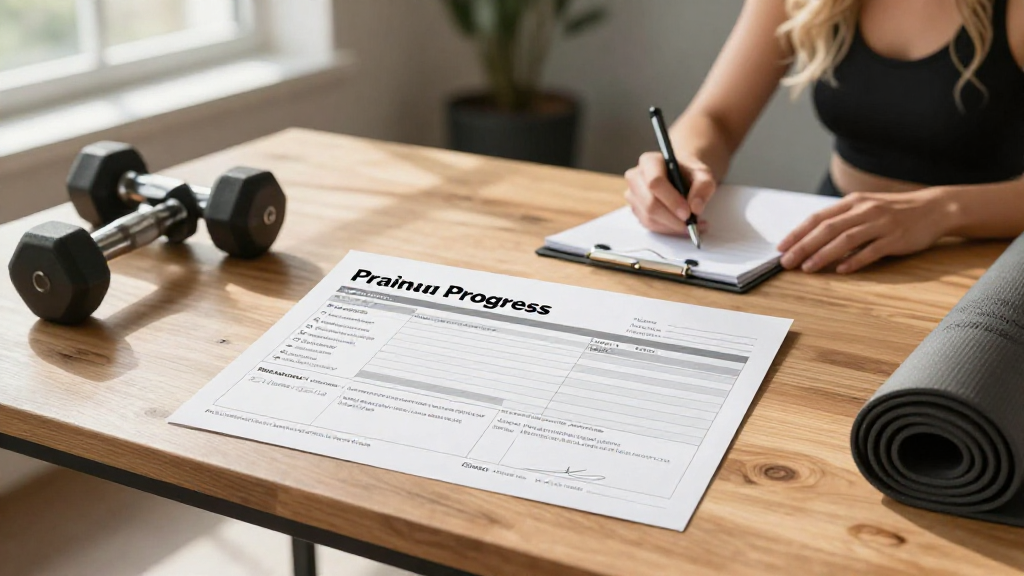
A personal trainer progress form is an essential tool for tracking a client’s fitness journey and ensuring that both the trainer and the client are on the same page regarding goals and achievements.
What Is a Personal Trainer Progress Form?
A personal trainer progress form is a document used by trainers to monitor their clients’ changes over time.
It captures vital information such as workout routines, nutrition, body measurements, and overall wellbeing.
This form is crucial for evaluating performance and adjusting training programs accordingly.
Why Is Tracking Progress Important?
- Accountability: Clients can see how far they have come.
- Motivation: Progress tracked visually can encourage clients to stay committed.
- Personalization: Helps trainers tailor programs based on individual results.
- Goal Assessment: Facilitates timely adjustments to fitness goals and strategies.
What Information Should Be Included in a Personal Trainer Progress Form?
1. Personal Information
- Client Name
- Date of Birth
- Contact Information
- Emergency Contact
2. Goals and Objectives
- Short-Term Goals: These should be measurable and specific, such as losing 5 pounds or running a mile in under 10 minutes.
- Long-Term Goals: Consider broader objectives, like a fat loss percentage or a fitness competition.
3. Initial Assessments
- Body Measurements: Record measurements such as waist, hips, chest, and arms.
This can aid in assessing body composition changes. - Weight: Document starting weight so you can monitor changes.
- Fitness Assessment: Include tests for cardiovascular fitness, strength, flexibility, and endurance.
4. Weekly or Monthly Progress Tracking
- Record Workouts: Log each training session, including exercises, sets, reps, and weights used.
- Nutrition Tracking: Encourage clients to document their daily meals and calorie intake.
- Measurements Over Time: Consistently record changes in body measurements, including weight over specific periods.
5. Feedback Section
- Client Feedback: Allocating space for client comments can allow them to express how they feel about their progress and workouts.
- Trainer Feedback: Trainers can note observations on performance, areas for improvement, and suggestions for enhancements.
6. Progress Photos
- Before and After Pictures: Visually documenting changes can be highly motivating for clients.
- Weekly or Monthly Updates: Regular photos can show subtle changes that numbers alone might not highlight.
How to Use the Personal Trainer Progress Form Effectively?
1. Regular Updates
A personal trainer progress form should be updated frequently—ideally after each session or at least every month.
2. Set New Goals
Encourage clients to reassess their goals based on their progress.
As they achieve short-term goals, help them establish new ones that challenge them.
3. Schedule Regular Check-Ins
Having scheduled sessions to discuss the progress form allows both the trainer and client to revisit goals and make necessary adjustments to the training plan.
Can a Personal Trainer Progress Form Be Digital?
Absolutely! Creating a personal trainer progress form digitally can streamline the tracking process.
Here are some advantages:
- Accessibility: Clients can access their forms anywhere, anytime.
- Ease of Use: Digital forms can often automatically calculate statistics and track progress over time.
- Data Storage: Electronic forms can be easily stored and retrieved without losing data.
What Are the Benefits of Using a Personal Trainer Progress Form?
1. Enhanced Communication
A progress form promotes dialogue between the trainer and client.
Both parties can voice their thoughts, ensuring that no issues go unaddressed.
2. Comprehensive Data Collection
Combining various metrics in one form provides a holistic view of the client’s fitness journey.
From training modifications to dietary adjustments, everything can be documented in one place.
3. Visual Tracking
Graphs and charts can be integrated to visually show progress.
This is compelling for clients who need motivation to push through plateaus.
4. Promotes Professionalism
Using a well-structured personal trainer progress form shows that trainers take their clients seriously.
They can foster a sense of professionalism that encourages retention and referrals.
Conclusion
A comprehensive personal trainer progress form is a vital tool in the fitness training process.
It not only aids in tracking progress but also strengthens the relationship between trainer and client.
By including all vital sections—personal information, goals, assessments, and feedback—you empower clients to engage actively in their fitness journey.
Incorporating a well-maintained personal trainer progress form can lead to better results, higher client satisfaction, and overall success in achieving health and fitness goals.
Make sure that your form evolves along with your clientele, adjusting to their needs for optimal effectiveness and focus.
By tracking progress, adapting to changes, and celebrating achievements, trainers can make a significant positive impact in their clients’ lives, inspiring them to maintain their commitment to fitness for the long term.