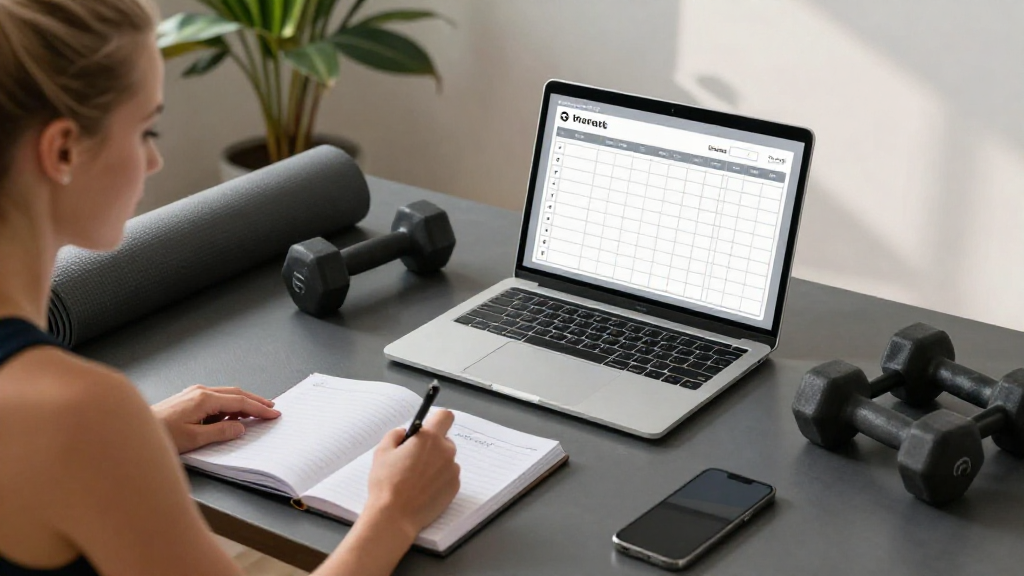
When it comes to personal training, having a personal trainer goal tracking sheet is essential for both trainers and clients alike.
This invaluable tool helps outline fitness goals, monitor progress, and ensure accountability throughout the training process.
But what specific elements should be included in this goal tracking sheet?
What Are the Core Components of a Personal Trainer Goal Tracking Sheet?
A personal trainer goal tracking sheet should encompass several key components:
-
Client Information: Start with basic information such as the client’s name, contact details, and emergency contacts. This ensures that trainers can reach out when needed and confirms that records are up to date.
-
Goal Details: Clearly define the client’s fitness goals, which may vary from weight loss to muscle gain or overall health improvement. Goals should be SMART:
- Specific
- Measurable
- Achievable
- Relevant
-
Time-bound
-
Baseline Measurements: Document initial measurements and assessments, such as weight, body fat percentage, and flexible range of motion. These metrics will serve as a reference point for tracking changes over time.
-
Workout Schedule: Provide a calendar or schedule section to outline training days, exercises planned, and rest days. This helps maintain a structured approach for both the trainer and the client.
-
Progress Tracking: Include areas for recording progress and achievements. This can be done by monitoring weight changes, measurements, or performance improvements, such as increased repetitions or lifting heavier weights.
Why Is Progress Important in a Personal Trainer Goal Tracking Sheet?
Tracking progress is a crucial element of any successful training program.
It not only shows the effectiveness of the training regimen but also motivates clients by highlighting their achievements.
Here are some notable advantages of including progress tracking in your personal trainer goal tracking sheet:
-
Identifying Trends: Regularly updated data helps both trainers and clients see patterns, making it easier to tweak the training program as necessary.
-
Celebrating Milestones: Many clients respond positively to small victories. Celebrating progress, such as hitting a weight loss target, can keep them motivated.
-
Accountability: Documenting progress fosters accountability, encouraging both clients and trainers to stay on track.
What Metrics Should Be Included on the Sheet?
Every personal trainer goal tracking sheet should have a variety of metrics that are relevant to the client’s goals. Some common metrics to consider are:
-
Body Weight: A straightforward starting point for many fitness goals.
-
Body Measurements: Circumference measurements of the waist, hips, arms, and legs.
-
Fitness Assessments: Include capabilities such as cardio endurance tests or strength assessments to provide a full spectrum of fitness tracking.
-
Nutrition Logs: Do clients keep a food diary? An integrated nutrition log section can be beneficial in examining dietary habits alongside training.
How Can You Customize a Personal Trainer Goal Tracking Sheet?
Trainers should consider that each client is unique with different ambitions and needs.
Customizing a personal trainer goal tracking sheet can greatly enhance its effectiveness.
Here’s how:
- Adjust the Goals Section: Different clients will have various types of goals.
Make sure to include space for short-term and long-term goals. Long-term goals may involve significant weight loss, while short-term goals could focus on consistent workout attendance.
-
Incorporate Client Feedback: Add a section where clients can note their feelings about their workouts, any pain experienced, or what they enjoyed.
-
Add Educational Resources: Include space for links to resources on workouts, nutrition, and wellness topics that relate to the client’s goals.
What Tools Can Help Create and Maintain a Personal Trainer Goal Tracking Sheet?
Digital technology offers numerous tools that can streamline the process of creating and maintaining a personal trainer goal tracking sheet.
Here are some effective options:
-
Excel or Google Sheets: These programs allow you to create tailored spreadsheets that can be easily modified as progress occurs.
-
Fitness Apps: Many fitness applications allow trainers to set up goal tracking for clients. They often include reminders and offer integrations with wearable technology for more accurate data.
-
Wearable Fitness Trackers: Devices like Fitbits and smartwatches can link directly to goal tracking sheets, providing real-time data about activity levels, heart rates, and more.
How Can You Make Your Personal Trainer Goal Tracking Sheet More Engaging?
Engagement is key to retaining client interest in their training program.
Here are some tips for making your personal trainer goal tracking sheet more interactive:
-
Visual Elements: Use graphs and charts to visually represent progress. This can make the data more digestible and impactful.
-
Quotes and Inspirational Messages: Including motivational quotes can keep clients inspired throughout their journey.
-
Gamification: Introduce achievements, such as stickers or points for meeting certain goals.
How Often Should You Review the Personal Trainer Goal Tracking Sheet?
Reviewing the personal trainer goal tracking sheet is vital for sustaining motivation and progress.
As a guideline, consider these options:
-
Weekly Reviews: For beginners, weekly reviews can help maintain motivation and make sure the training plan is on track.
-
Bi-Monthly or Monthly Reviews: For more experienced clients, a thorough review every couple of weeks or once a month may be more appropriate to allow time for progress without overwhelming them.
-
End-of-Program Analysis: After completing specific program goals, a comprehensive review can determine what worked well and what changes may be necessary moving forward.
Conclusion
Creating a well-thought-out personal trainer goal tracking sheet can transform the training experience for clients and trainers alike.
By including essential components, customizing according to client needs, and regularly reviewing progress, trainers can ensure that their clients remain motivated and on track.
Whether you’re starting out or seeking to refine an existing tracking sheet, remember that the right structure, tools, and engagement strategies are key to creating a successful client training journey.
Motivate. Track. Achieve!