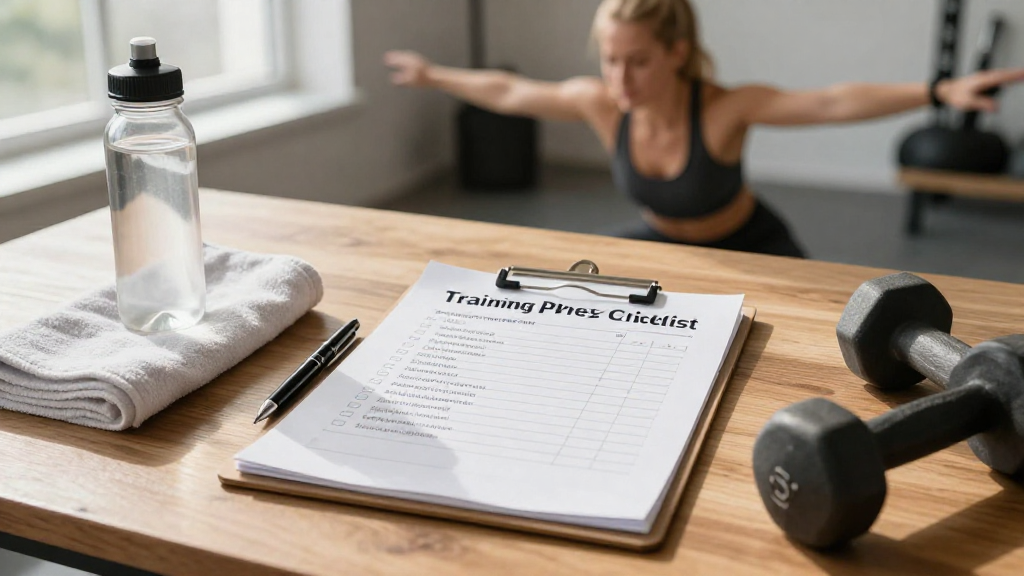
When preparing for personal training sessions, having a personal training prep checklist can make all the difference in ensuring your training is effective and efficient.
Why Use a Personal Training Prep Checklist?
Using a personal training prep checklist helps trainers and clients stay organized.
It ensures that everything needed for a successful session is accounted for.
Here are some key benefits:
- Increased Efficiency: You’ll spend less time looking for equipment and more time focused on the workout.
- Enhanced Preparedness: Being ready reduces anxiety for both trainers and clients.
- Systematic Approach: Following a checklist can optimize the training process.
What Should Be on Your Personal Training Prep Checklist?
To create an effective personal training prep checklist, consider these essential elements:
1. Equipment Check: What Gear Do You Need?
Make sure you have all the necessary fitness equipment ready before each session:
- Weights: Dumbbells, barbells, kettlebells
- Resistance bands: For various exercises and rehabilitation
- Yoga mats: For ground exercises and stretches
- Fitness balls: Useful for core workouts
- Step platforms: For aerobic training
- Heart rate monitor: Helps track cardiovascular intensity
- Towels: Keeps the area clean and dry
Check that all equipment is in proper working condition.
Any broken or worn-out items should be repaired or replaced.
2. Client Goals: What Are the Objectives for Today?
Understanding your client’s fitness goals is crucial.
This not only helps in customizing workouts but also in measuring progress. Ensure you have the following details at hand:
- Specific goals: Weight loss, strength gain, muscle hypertrophy, flexibility, etc.
- Short-term targets: Goals for this session or week
- Progress tracking: Charts or logs from previous sessions
Having a clear picture of client goals allows for dynamic training and keeps motivation high. This ensures that each session is tailored to meet their needs effectively.
3. Warm-up Routine: What Preparation Is Needed?
A proper warm-up is essential for reducing the risk of injury and preparing the body for exercise.
Your personal training prep checklist should include:
- Dynamic stretches: Such as leg swings, arm circles, and torso twists
- Light cardio: 5-10 minutes of jogging, skipping, or cycling
- Mobility exercises: Focus on joints that will be heavily involved in the workout
Plan a specific warm-up routine tailored to your client’s workout for optimal results.
4. Nutrition: Is Your Client Fueled Up?
Nutrition plays a vital role in achieving fitness goals.
Check if your client has consumed a pre-workout meal or snack to fuel their training. Recommendations may include:
- Carbohydrates: Bananas, whole grain bread
- Protein: Greek yogurt, protein shakes
- Hydration: Ensure they are adequately hydrated, ideally with water or electrolyte drinks
Being mindful of nutrition supports not only performance but also recovery during and after training.
5. Safety Equipment: What Is Necessary?
Safety should always be a priority.
Make sure your personal training prep checklist includes necessary safety equipment such as:
- First aid kit: For minor injuries or emergencies
- Taping supplies: For injuries that require support
- Foam rollers: Useful for post-workout muscle recovery
- Hand sanitizer: To maintain cleanliness, especially in shared spaces
Having safety equipment on hand creates a secure environment for both trainer and client.
6. Time Management: How Will You Structure This Session?
Planning out the structure of your session ensures that you cover all necessary aspects. Include:
- Workout duration: Total session time
- Exercise intervals: Time for exercises, rests, and transitions
- Cool-down period: Essential for letting the body transition back to rest
Use a timer or stopwatch to effectively manage time during training. Consistency is key for building a solid routine.
7. Feedback Mechanism: How Will You Collect Input?
After each session, gather feedback to assess the effectiveness of the workout plan.
Add these items to your personal training prep checklist:
- Post-session surveys: Quick informal chats or structured questionnaires
- Client journals: Have clients track their own progress and thoughts
- Adjustments notes: Document feedback and adjust future sessions accordingly
Constantly adapting based on feedback helps cater to individual client needs.
What Additional Resources Can Enhance Training?
Beyond the basics, consider these additional resources for your personal training prep checklist:
- Workout plans: Pre-written routines for various fitness levels
- Exercise visuals: Diagrams or images to demonstrate proper form
- Educational materials: Articles and videos on nutrition, exercises, and health
- Online platforms: Tools for scheduling, reminders, and communication
These resources contribute to a more well-rounded and effective training experience.
Conclusion
A well-thought-out personal training prep checklist is an invaluable tool for both personal trainers and their clients.
By ensuring that all aspects are covered — from equipment and nutrition to time management and feedback — you lay the foundation for successful and productive training sessions.
Use the tips outlined in this article to develop your own comprehensive checklist and elevate your personal training game!
Remember, prepared trainers foster success in their clients. Get started on your personal training prep checklist today!