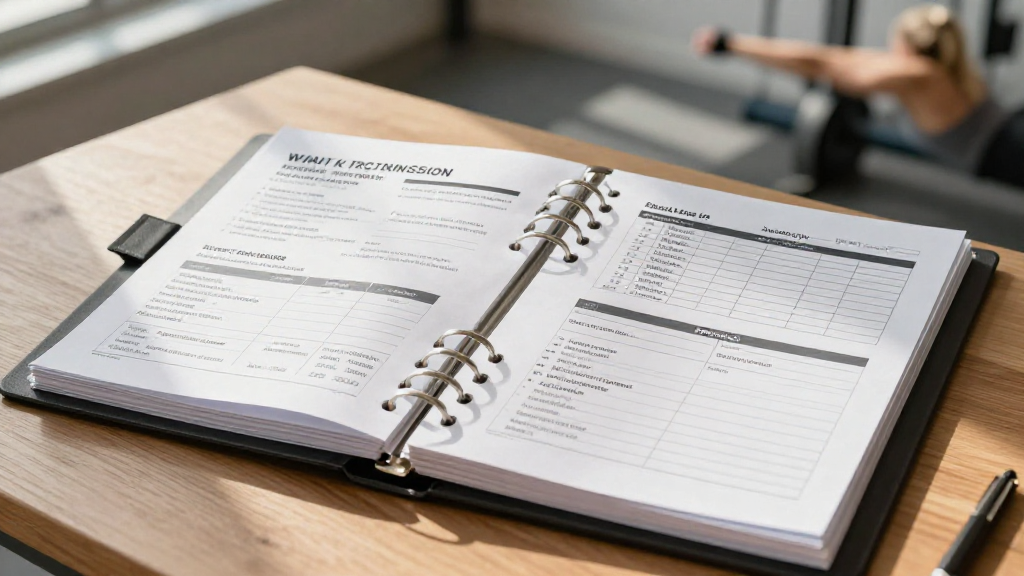
When it comes to personal training, effective personal training documentation examples are essential for tracking client progress, program management, and ensuring overall success.
In this article, we will explore important personal training documentation examples, what they should entail, and how you can utilize them to improve your practice.
What Types of Personal Training Documentation Do You Need?
For any personal trainer, keeping organized and comprehensive documentation is key. Here are some pivotal documentation examples that every trainer should consider:
-
Client Intake Forms
– These forms collect essential information about your clients, such as:- Basic details (name, contact, age)
- Health history (injuries, medical conditions)
- Fitness goals (weight loss, muscle gain, endurance)
-
Waivers and Consent Forms
– Protect yourself legally with waivers and consent forms that communicate:- Understanding of potential risks
- Authorization of participation in training sessions
-
Progress Tracking Sheets
– These are invaluable for monitoring client improvements. Include:- Body measurements (weight, body fat percentage)
- Workout performance (sets, reps, weights)
- Assessment results (strength tests, endurance tests)
-
Training Schedules
– Clearly outline each client’s training plan. Document:- Days and times of sessions
- Specific exercises and goals for each session
-
Nutrition Logs
– If you provide nutritional guidance, having a food log can help:- Track daily caloric intake
- Note food preferences and allergies
- Monitor habits related to diet and exercise
-
Session Summaries
– After each training session, provide a summary. This can include:- What exercises were completed
- Client feedback and observations
- Adjustments needed for future sessions
How Do You Create Effective Personal Training Documentation?
Creating effective personal training documentation examples is not just about filling out forms. It should also consider client engagement and ease of use. Here’s how:
1. Be Comprehensive Yet Concise
While it’s important to gather all necessary information, clients may feel overwhelmed by excessive details.
Aim to strike a balance by including key information while ensuring clarity.
Make sure your forms are user-friendly; long paragraphs can discourage clients from providing accurate information.
2. Incorporate Visuals
Visual representation can enhance understanding.
Consider using graphs and charts in progress tracking sheets to illustrate improvements over time.
This visual aspect can motivate clients as they see tangible evidence of their progress.
3. Utilize Technology
With the rise of digital tools, many trainers now use software to streamline documentation.
There are several platforms available that can facilitate:
– Client management
– Progress tracking
– Scheduling
By using these technologies, you can ensure that your documentation is accessible, organized, and efficient.
Why Is Personal Training Documentation Important?
Good personal training documentation examples offer numerous benefits that contribute to both client satisfaction and business success. Here’s why documentation matters:
1. Track Client Progress
Documentation allows you to:
– Easily identify improvements or setbacks.
– Adjust training programs based on client performance.
– Celebrate milestones, enhancing client motivation.
2. Establish Accountability
When clients have recorded targets and outcomes, it fosters a sense of responsibility.
Encouraging clients to review their progress notes can:
– Keep them focused on their goals.
– Encourage regular attendance and participation.
3. Ensure Safety
Safety is paramount in personal training.
By maintaining comprehensive health histories and consent forms, you reduce the risk of injury and ensure that clients are aware of their fitness levels.
This precaution also protects you legally.
What Are the Best Practices for Personal Training Documentation?
In addition to collecting the right kinds of documentation, follow best practices for managing your personal training documentation:
1. Keep Everything Organized
Whether using digital or paper formats, establish a system for organizing documentation.
Some methods include:
– Folders for each client
– Color-coding for easier access
– Regular backups for digital documents
2. Regularly Review and Update
Reviewing documentation periodically ensures that information is current.
This practice:
– Prevents the accumulation of outdated information.
– Allows you to adjust training plans based on recent assessments.
3. Maintain Confidentiality
Client privacy is crucial in personal training.
Ensure all documentation is securely stored:
– Use password-protected files for digital documents.
– Keep physical documents locked away.
How Can You Use Personal Training Documentation Examples Effectively?
To maximize the benefits of personal training documentation examples, implement the following strategies:
-
Set Pre and Post Assessments
– Before beginning any training program, conduct initial assessments.
– Follow up with post assessments to evaluate improvements. -
Engage Clients in Progress Reviews
– Schedule regular reviews where you can sit down and discuss progress.
– This engagement includes not just numbers but also emotions and feelings about training. -
Leverage Feedback
– Actively seek client feedback through surveys or informal chats.
– Use this input to refine your training methods and documentation processes.
Conclusion
In conclusion, having personal training documentation examples that are accessible, well-organized, and comprehensive can make a significant difference in your practice.
By utilizing the right types of documentation and implementing best practices, you enhance your training sessions, track progress effectively, and improve client engagement.
Remember, consistent and clear documentation not only serves as a roadmap for client success but also solidifies your reputation as a knowledgeable and organized personal trainer.
Start implementing these examples of personal training documentation today, and watch as your business and client satisfaction grow!