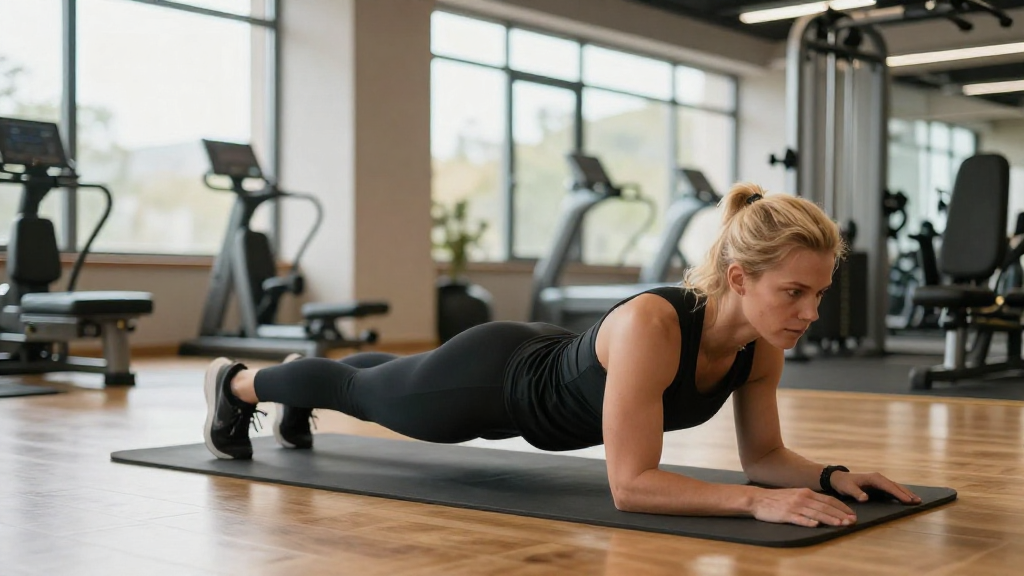
Are you wondering how to get started with personal training? Whether you’re considering hiring a personal trainer for the first time or you’re looking to become one, the right approach can make all the difference in your fitness journey.
What Does Personal Training Entail?
Before you dive into how to get started with personal training, it’s essential to understand what personal training involves.
Personal training typically includes:
- Customized Workout Plans: Trainers assess your current fitness level and design a plan tailored to your specific goals.
- Nutritional Guidance: Many trainers offer advice on diet and nutrition to complement your fitness regime.
- Motivation and Support: Trainers provide encouragement and accountability, helping you stay committed to your fitness journey.
- Goal Setting: Establishing realistic and measurable goals is a crucial element in ensuring progress and motivation.
Understanding these components can help you on your path to learn how to get started with personal training effectively.
How Do You Choose the Right Trainer?
Finding the right personal trainer can significantly enhance your experience. Here’s a checklist to consider:
- Qualifications and Certifications: Ensure the trainer holds reputable certifications such as ACE, NASM, or ISSA.
- Experience: Consider trainers who have experience working with individuals of your fitness level and goals.
- Specializations: If you have specific needs (like rehabilitation, weight loss, or bodybuilding), find a trainer who specializes in those areas.
- Personal Compatibility: It’s vital to feel comfortable and motivated by your trainer’s style. Schedule an initial consultation to test the chemistry.
- Reviews and Testimonials: Read reviews from past clients to gauge the trainer’s effectiveness and support.
Taking the time to choose the right trainer ensures you’re well-prepared on how to get started with personal training.
What Should You Expect in Your Initial Sessions?
The first few sessions are crucial in setting the tone for your personal training experience. Here’s what you should expect:
- Fitness Assessment: Most trainers begin with a thorough fitness assessment.
- Goal Discussion: You will discuss your fitness goals and what you wish to achieve through personal training.
- Baseline Measurements: This may include weight, body measurements, and fitness tests to track your progress over time.
- Discussion on Nutrition: Your trainer might also touch on diet and nutrition strategies to support your fitness goals.
- Trial Workouts: A few introductory workout sessions will help you get a feel for what to expect.
Being proactive during your initial sessions will help you grasp how to get started with personal training in a way that benefits you the most.
How Do You Prepare for Your Personal Training Sessions?
Preparation can make your sessions more productive and enjoyable. Here are a few tips:
- Wear Appropriate Attire: Ensure you have the right workout clothes and shoes for the type of training you’ll be doing.
- Hydrate: Drink plenty of water before your session to ensure you are adequately hydrated and energized.
- Arrive Early: This gives you time to settle in, warm up, and discuss any last-minute questions with your trainer.
- Keep an Open Mind: Be open to trying new exercises and listening to your trainer’s advice.
- Set Aside Time: Make sure to block off adequate times for your workouts in your schedule to maintain consistency.
Preparing for your sessions in this way will set you up for success in how to get started with personal training.
What Are the Common Mistakes to Avoid?
When learning how to get started with personal training, being aware of common mistakes can save you from pitfalls. Here’s what to avoid:
- Skipping Sessions: Consistency is key — missing sessions can stall progress.
- Ignoring Nutrition: Exercise without proper nutrition can limit your results.
- Setting Unrealistic Goals: Setting goals too high can lead to frustration. Aim for achievable milestones.
- Being Complacent: Sticking with the same routine can stunt your progress; be open to adjusting your plan as needed.
- Not voicing Concerns: If something isn’t working for you or you feel pain, communicate it with your trainer so adjustments can be made.
Steering clear of these mistakes will streamline your journey on how to get started with personal training.
How Can You Track Your Progress?
Tracking your progress is vital to maintaining motivation and seeing results. Here are some effective methods:
- Use a Journal: Write down your workouts, reps, weights, and how you felt during each session.
- Take Photos: Capture progress photos every few weeks to visually track changes over time.
- Measure Body Composition: Regularly evaluate your body measurements (waist, hips, etc.) for tangible changes.
- Monitor Your Energy Levels: Keep track of your energy and how workouts feel; improvement in performance is a great indicator of progress.
- Set Milestones: Celebrate small victories, such as lifting more weight or completing workouts more efficiently.
These tracking methods will keep you informed and engaged as you learn how to get started with personal training.
What Are Your Long-Term Personal Training Goals?
Setting long-term goals can provide direction and keep you focused. Consider these strategies:
- Establish SMART Goals: Ensure your goals are Specific, Measurable, Achievable, Relevant, and Time-bound.
- Focus on Lifestyle Changes: Aim for sustainable habits rather than quick fixes.
- Plan for Progression: As you meet your initial goals, continue to set new, challenging targets.
- Incorporate Variety: Mix your training routine to keep things fresh and exciting.
- Seek Continued Education: Stay informed on fitness trends and nutrition to elevate your knowledge and results.
With a clear trajectory, you’ll find that understanding how to get started with personal training opens doors to lifelong health and fitness.
Conclusion
Taking the leap into personal training can be a transformative journey, both physically and mentally.
By following these guidelines on how to get started with personal training, you position yourself for success.
Remember to:
- Choose the right trainer.
- Prepare adequately for each session.
- Avoid common mistakes.
- Track your progress.
- Set long-term goals.
With commitment, patience, and the right approach, you’ll find yourself thriving in your personal training journey. Embrace the process, stay motivated, and enjoy the incredible journey ahead!