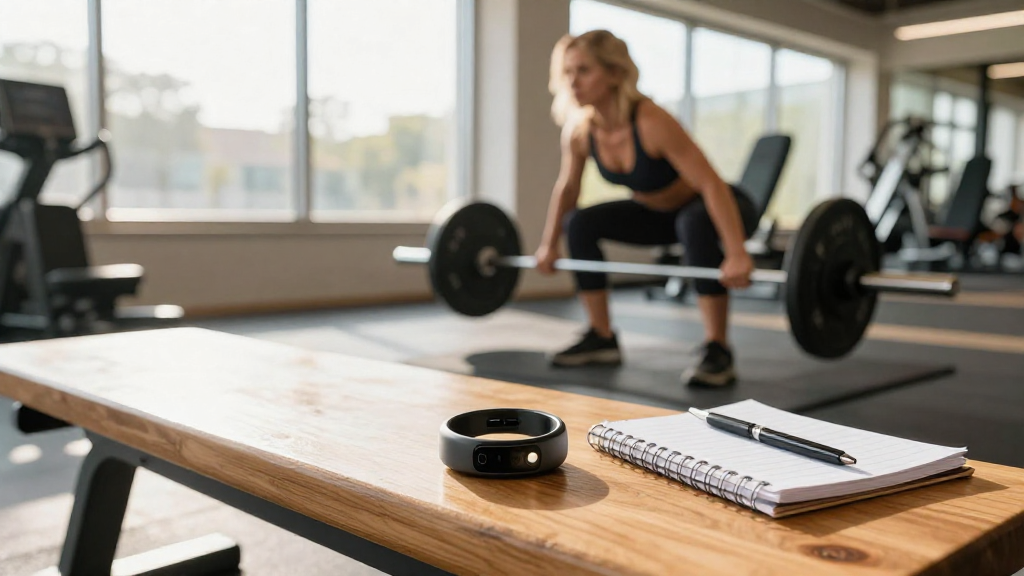
Tracking personal training progress is crucial for achieving your fitness goals.
Whether you’re looking to lose weight, gain muscle, or improve your overall health, knowing how to track personal training progress can make all the difference. In this article, we will explore effective methods, important metrics, and tips for staying motivated throughout your journey.
What Are the Benefits of Tracking Your Progress?
Tracking personal training progress offers numerous benefits that can enhance your fitness experience:
- Accountability: By monitoring your workouts and nutrition, you hold yourself accountable for your actions.
- Goal Adjustment: Regular tracking allows you to adjust your fitness goals based on your performance and results.
- Motivation: Seeing tangible progress can boost your motivation and keep you on track.
- Identify Patterns: Tracking helps you identify what’s working and what needs improvement in your routine.
- Enhance Performance: Regular insights into your progress can lead to better training strategies and performance gains.
What Metrics Should You Track?
When it comes to how to track personal training progress, there are several key metrics to focus on. Here are some of the most important ones:
-
Body Composition:
– Weight: Weigh yourself consistently (weekly or bi-weekly).
– Body Measurements: Measure your waist, hips, chest, arms, and legs.
– Body Fat Percentage: Use calipers or bioelectrical impedance scales. -
Strength:
– Lift Weights: Track your one-rep max or weights lifted in different exercises.
– Repetition and Set Tracking: Monitor the number of reps and sets you perform over time. -
Endurance:
– Cardio Performance: Track distances run, cycling times, or swimming laps.
– Heart Rate Recovery: Measure how quickly your heart rate returns to normal after workouts. -
Flexibility:
– Mobility Tests: Take note of improvements in movements such as squats and stretches over time.
– Range of Motion: Measure the degrees of flexibility in key joints. -
Performance Metrics:
– Workout Duration: Keep a log of how long each training session lasts.
– Resting Heart Rate: Monitor changes to gauge fitness levels.
How Can You Log Your Progress Effectively?
Logging your progress is essential for maintaining an accurate record of your personal training journey. Here are some effective methods:
-
Fitness Apps:
– Use apps like MyFitnessPal, Strava, or Fitbit to track workouts, meals, and other health metrics.
– Look for features that allow you to graph your progress and set reminders. -
Journals:
– Write down workouts, food intake, and feelings in a dedicated fitness journal.
– Include reflections on what feels good or what needs adjustment. -
Progress Pictures:
– Take photos at regular intervals (e.g., weekly or monthly) to visually document changes.
– Use consistent lighting and clothing for accurate comparisons. -
Spreadsheet Tracking:
– Create a digital spreadsheet to log weights, measurements, and activities.
– Utilize charts to visualize your progress for an at-a-glance overview. -
Online Communities:
– Join forums or social media groups where you can share your journey, get tips, and receive support.
– Engage with others to exchange advice on how to track personal training progress effectively.
How Often Should You Review Your Progress?
Consistency is key when it comes to maintaining an effective tracking routine. Here’s how often you should check in on your progress:
-
Daily:
– Log your workouts and food intake daily.
– Record any physical changes or feelings about your performance. -
Weekly:
– Weigh yourself or take body measurements weekly.
– Review your week’s workouts and evaluate what worked and what didn’t. -
Monthly:
– Take a broader view of your progress once a month.
– Analyze trends in your measurements and performance metrics.
– Adjust your training and diet as needed based on your findings.
What Should You Do If You’re Not Seeing Progress?
Stagnation is frustrating, but it’s a common part of the personal training journey. Here are some steps to take if you’re not seeing the results you desire:
-
Reevaluate Your Goals:
– Are your goals realistic and achievable? Adjust them if necessary.
– Set SMART goals: Specific, Measurable, Achievable, Relevant, and Time-bound. -
Change Your Routine:
– Consider modifying your workout program by varying exercises, sets, reps, or duration.
– Incorporate different training methods—HIIT, weight training, or yoga—into your schedule. -
Analyze Nutrition:
– Reassess your diet to ensure it’s aligned with your goals.
– Consider consulting a nutritionist for personalized guidance. -
Focus on Recovery:
– Ensure you’re allowing for appropriate rest days and recovery time.
– Sufficient sleep and hydration can significantly impact your progress. -
Seek Professional Help:
– Hire a personal trainer for expert advice on your training regimen.
– Personal trainers can provide tailored programs and motivation to keep you on track.
How Can You Stay Motivated Throughout Your Journey?
Maintaining motivation during your fitness journey can be challenging, but job number one is identifying strategies that work for you:
-
Celebrate Small Wins:
– Acknowledge progress—both big and small. Celebrate milestones to boost your morale. -
Stay Accountable:
– Partner with a friend or join a workout group to hold each other accountable.
– Share your goals and updates on social media to gain support from your circle. -
Keep Learning:
– Educate yourself on fitness and nutrition. The more you know, the more likely you’ll stay engaged. -
Mix It Up:
– Avoid monotony by trying new workouts or classes.
– Regularly update your routine to keep things fresh and fun. -
Remind Yourself of Your “Why”:
– Keep your reasons for embarking on this fitness journey front and center.
– Reflect on how far you’ve come and where you want to go, reminding yourself of your goals regularly.
Conclusion
Understanding how to track personal training progress is essential for a fulfilling fitness journey. By knowing what metrics to track, how to log your progress effectively, and what adjustments to make along the way, you can stay motivated and achieve your fitness goals.
Remember, fitness is a marathon, not a sprint. Stay patient, consistent, and proactive in your approach, and you will see the results of your hard work. Happy training!