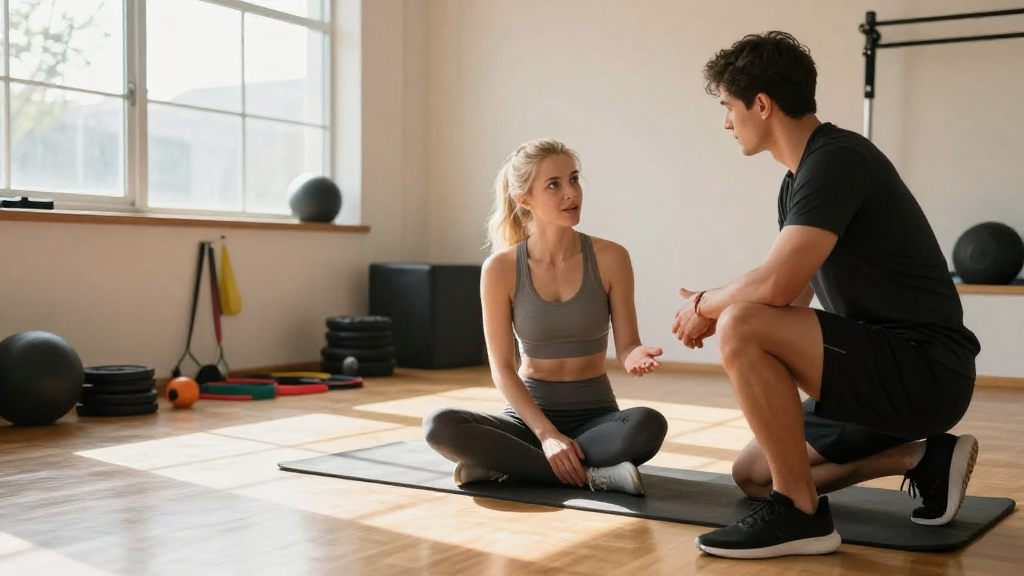
Are you looking to change your fitness journey and explore how to start personal training? Personal training can provide you with tailored guidance and motivation, making your path to health and fitness more effective and enjoyable.
What Is Personal Training?
Personal training involves working with a certified fitness professional who creates individualized workout plans and provides one-on-one coaching.
This method ensures that you receive:
- Customized fitness routines
- Nutritional advice tailored to your goals
- Motivation and support
- Accountability and consistency
Understanding the fundamentals of personal training is essential as you embark on this journey.
Why Should You Consider Personal Training?
So, why should you choose personal training over a conventional gym routine?
Here are a few benefits:
- Expert Guidance: Personal trainers are knowledgeable about exercise science, helping you with effective techniques.
- Goal-Oriented Approach: Trainers can align workouts with your personal goals, whether you want to lose weight, build muscle, or enhance your overall fitness.
- Injury Prevention: Proper training helps reduce the risk of injuries, teaching you the right form and technique.
- Motivation and Accountability: Knowing that a trainer is waiting for you can be a powerful incentive to stay committed.
Understanding these benefits can help you see why learning how to start personal training could be the ideal choice for your fitness journey.
How Do You Find the Right Personal Trainer?
Finding the perfect personal trainer is crucial for your success.
Follow these steps:
-
Identify Your Goals: Are you looking to lose weight, gain muscle, or increase stamina?
Clarifying your objectives will help you find a trainer who specializes in these areas. -
Research Credentials: Ensure that the trainer is certified through reputable organizations such as the American Council on Exercise (ACE) or the National Academy of Sports Medicine (NASM).
-
Check Experience: Look for trainers with experience in personal training and a proven track record of successful clients.
-
Read Reviews and Testimonials: Online reviews can provide insight into trainers’ effectiveness, personalities, and methodologies.
-
Schedule a Consultation: Most trainers offer initial consultations. This allows you to gauge their approach, assess compatibility, and ask questions.
By knowing how to start personal training with the right trainer, you set yourself up for success.
How Much Does Personal Training Cost?
Training costs can vary based on several factors, including location, trainer’s experience, and the length of sessions.
Here’s a breakdown:
-
Hourly Rate: On average, personal training can cost between $30 to $100 per hour.
-
Package Deals: Many trainers provide discounts for package deals (e.g., buying ten sessions upfront).
-
Group Sessions: Sometimes, trainers offer group training which can lower the cost while still providing expert guidance.
-
Online Training: Virtual training options can be more budget-friendly while providing flexibility.
It’s wise to determine your budget upfront and look for packages that suit your needs.
What Should You Expect During Your First Session?
When you finally book your first session, understanding what to expect will help ease any nerves.
Typically, your first session will include:
-
Assessment: The trainer will assess your current fitness level, discuss your goals, and may perform movement assessments.
-
Goal Setting: You’ll collaborate to establish realistic short-term and long-term goals for your fitness journey.
-
Workout Routine: The trainer will guide you through a personalized workout, teaching you proper forms and techniques.
-
Discussion of Nutrition: Personal trainers often touch on nutrition and lifestyle choices impacting your goals.
Being prepared for your initial meeting ensures that you know how to start personal training effectively.
How Can You Stay Motivated in Your Training?
Staying motivated throughout your training sessions is essential for achieving your fitness goals.
Consider these strategies:
-
Set Achievable Goals: Smaller, incremental goals create a sense of accomplishment and keep you engaged.
-
Track Your Progress: Keeping a log of your workouts and progress helps visualize your journey and achievements.
-
Mix It Up: If workouts become monotonous, discuss new exercises or modalities with your trainer to keep things exciting.
-
Reward Yourself: Offer yourself small rewards when you hit milestones to create a positive reinforcement loop.
-
Build a Support System: Encourage friends or family members to join in some sessions for a fun group dynamic!
What If You Have Concerns About Your Fitness?
It’s natural to have concerns when starting personal training, especially if you’re new to fitness or wary of your abilities.
Here’s how to address common concerns:
-
Communication: Be upfront with your trainer about any previous injuries or medical conditions so they can tailor exercises accordingly.
-
Start Slowly: If you’re worried about intensity, express this concern to your trainer so they can mutably adjust the pace.
-
Ask Questions: A well-informed client is an empowered client. Don’t hesitate to ask why specific exercises are performed and how they benefit you.
-
Focus on Sustainable Changes: Understand that fitness isn’t a quick fix; it’s a lifestyle. Your trainer is there to guide you through this process.
Knowing how to start personal training while addressing concerns can foster a more enjoyable experience.
When Should You Variety in Your Training?
As you progress, your body will adapt to your workout routine. Including variety in your training regimen is crucial for continual improvement.
What can you do to vary your training?
-
Change Repetitions and Sets: Shift your rep counts or the number of sets for an exercise to challenge your muscles differently.
-
Try New Activities: Incorporate different classes or outdoor activities like running, cycling, or hiking.
-
Rotate Equipment: Use resistance bands, weights, or fitness balls to mix up your exercises.
-
Adjust Workout Intervals: Use techniques like high-intensity interval training (HIIT) for added intensity.
By understanding how to start personal training with variety, you keep your workouts fresh and exciting.
Conclusion: Are You Ready to Start Your Personal Training Journey?
Starting personal training can be a transformative experience that leads to better health, fitness, and well-being.
By following this guide, from finding the right trainer to staying motivated, you will be well on your way to achieving your fitness goals.
Remember, every fitness journey is unique, and seeking personalized guidance through personal training can make all the difference.
Take that step today, commit to your fitness and learn how to start personal training effectively!